Why autumn is the moment to eat with the island
Autumn in Madeira is when the island finally slows its pulse. Hotel terraces feel quieter, yet kitchen teams lean in, building menus around madeira autumn food seasonal produce that rarely appears on summer plates. For a solo traveler choosing a luxury stay, this is the season when food, wine and landscape align most clearly, and when the right property can turn every dinner into a short course in Madeiran food culture.
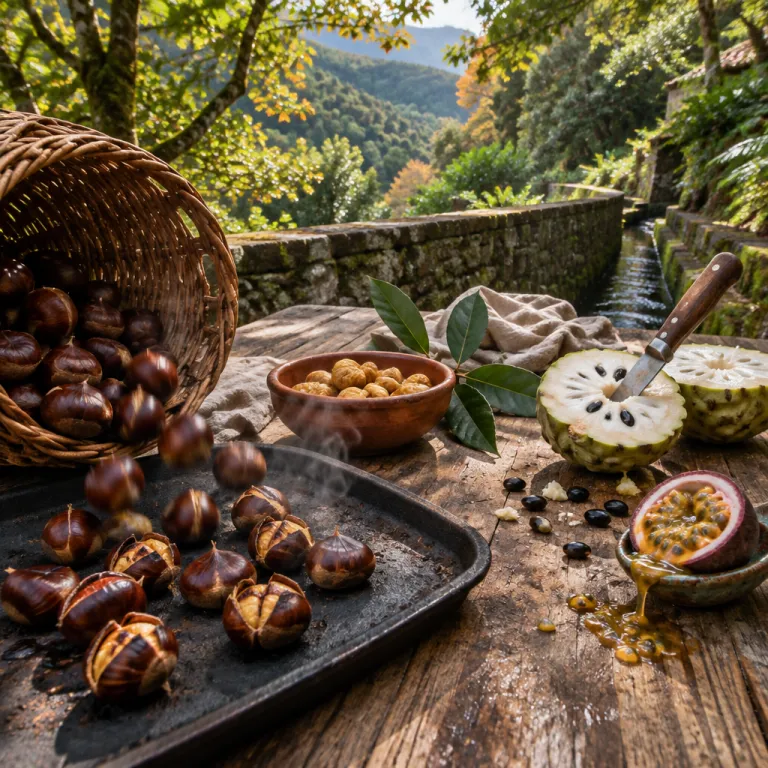
Chestnuts arrive first, rolling down from the slopes above Curral das Freiras, while custard apple and maracujá follow, perfuming market stalls with ripe fruit and pale, fragrant flesh. In good hotel restaurants, you will see this shift in the daily specials rather than on the printed menu, so ask the sommelier or maître d’ what is truly local and fresh that evening and how the kitchen is pairing it with Madeira wine styles. This is also when chefs quietly replace some imported beef or apple garnishes with island grown produce, letting the volcanic soil and Atlantic air speak through every plate of food.
Luxury properties that take seasonality seriously often brief their staff to explain where each fruit or vegetable comes from, whether a fig tree in a family garden or a sugar cane plot near Câmara de Lobos. When you hear servers talk about lavradores from Funchal or about farmers who split their time between mainland Portugal and the island, you are hearing the human side of Madeira autumn food seasonal produce. Choose hotels that encourage this kind of storytelling, because it signals a deeper respect for local food culture and a more thoughtful approach to both wine and service.
Chestnuts, custard apples and the hotel kitchen
The Festa da Castanha in Curral das Freiras is the clearest expression of Madeira’s chestnut season, and luxury hotels quietly echo it in their own way. You might taste chestnut purée folded into a restrained dessert, chestnut crumbs over vanilla ice cream, or even a savoury chestnut and beef pairing that nods to traditional carne de vinha d’alhos without copying it. When you scan an autumn menu, look for these signals that the chef is cooking with madeira autumn food seasonal produce rather than relying on generic Portuguese hotel classics.
Custard apple, called anona locally, is the other star of this season, with a texture that sits somewhere between cherimoya custard and thick cream. Its pale flesh is sweet but not cloying, and the best hotel kitchens serve it simply, perhaps alongside fresh fruit like sliced banana or apple, or as a chilled custard apple sorbet next to a small pour of medium dry Madeira wine. Ask whether the fruit came from a specific tree or valley, because properties that can name their suppliers usually care more about both food cultural heritage and quality.
Passion fruit, or maracujá, bridges summer and autumn, and you will find it everywhere from rooftop bars to poolside cafés. In serious dining rooms, maracujá appears as a sharp counterpoint to richer dishes, maybe in a sauce over grilled black scabbard fish or as a bright layer under cotton candy light meringue. If you are planning your stay around gastronomy, read how hotels talk about seasonal menus in their materials and compare autumn offerings with their summer menus in Madeira, using resources such as this guide to what hotel restaurants are putting on the plate when the weather is warmer.
From mercado stalls to hotel tables: navigating Funchal’s food culture
To understand madeira autumn food seasonal produce, start your morning at Mercado dos Lavradores in Funchal before the cruise crowds arrive. By 08:00, lavradores from the hills are already arranging fresh fruit pyramids, from banana Madeira varieties to glossy red cherry guavas and knobbly custard apples. Walk slowly, taste cautiously, and pay attention to which stalls the older Madeiran shoppers favour, because those usually offer the most genuinely local produce rather than fruit aimed at tourists.
Look out for stands where a vendor can point to the exact fig tree or sugar cane terrace where something was cut that week, and where the prices feel closer to what you would expect in mainland Portugal. This is also the place to see how food culture on the island blends Portuguese staples like olive oil and bolo do caco with tropical fruit that never reaches Lisbon. When a hotel concierge suggests timing your visit to Mercado dos Lavradores on a weekday morning, they are helping you see the supply chain that feeds the city’s better dining rooms.
Once you have walked the market, you will read hotel menus differently, spotting when a dessert uses real fresh fruit from the island rather than anonymous imports. A simple plate of sliced banana, custard apple and maracujá beside a glass of food friendly Madeira wine suddenly feels like a map of the island’s microclimates. For a deeper dive into how each parish eats, pair your market visit with this parish level guide to eating across Madeira, then choose a hotel whose restaurant reflects that same granular respect for place.
Village tables, hotel dining rooms and the autumn glass
Leaving Funchal, the road to Câmara de Lobos passes banana terraces, sugar cane plots and small vineyards that all feed into madeira autumn food seasonal produce. In village restaurants you might eat bolo do caco still warm from the griddle, then carne de vinha d’alhos or its cousin carne de vinha alhos, both marinated in garlic, wine and olive oil that speak clearly of Portuguese roots. When luxury hotels reference these dishes, they usually refine the plating and portion size, but the best ones keep the same madeiran soul and pair them with thoughtful food and wine combinations.
Autumn is also when chestnut desserts start appearing alongside more playful creations like cotton candy light spun sugar over tropical fruit, or banana Madeira flambé with a drizzle of aged Madeira wine. A good sommelier will steer you between dry styles that work with savoury beef dishes and sweeter wines that flatter custard apple or cherimoya custard textures. Do not hesitate to ask for pairings that highlight local grapes and island producers, because this is where the line between food cultural experience and pure pleasure becomes very thin.
Back at your hotel, look for small gestures that show the property is aligned with the island’s rhythms, from a fig tree in the garden to a welcome amenity of fresh fruit instead of packaged sweets. Properties that design their spaces and menus around the climate, as explored in this piece on how Madeira’s climate shapes its most striking hotels, tend to respect seasonality in the kitchen as well. For a solo traveler, choosing this kind of stay means every breakfast, every glass of red or white, and every plate of food becomes a quiet, luxurious lesson in how the island actually eats when the chestnuts fall.
FAQ
What does custard apple taste like in Madeira ?
Custard apple in Madeira has very soft, creamy flesh with a flavour somewhere between ripe banana, pear and cherimoya custard. It is sweet but balanced, especially when picked fully ripe from a local tree rather than shipped from mainland Portugal. You will often find it served simply in hotel restaurants, sometimes alongside ice cream or a small glass of Madeira wine.
Where should I try chestnut dishes during autumn ?
The most traditional chestnut dishes appear in Curral das Freiras during the Chestnut Festival, where you can taste roasted nuts, cakes and even chestnut liqueur. Many luxury hotels then reinterpret these flavours, offering chestnut purée desserts or savoury chestnut accompaniments to beef or game. Ask your concierge which nearby properties or village restaurants are focusing on madeira autumn food seasonal produce during your stay.
How can I tell if my hotel restaurant is using seasonal produce ?
Look for daily specials that mention specific villages, farmers or lavradores from Funchal rather than generic descriptions like “fresh fruit salad”. Staff should be able to explain whether the banana, maracujá or custard apple came from the island and how the dish connects to Madeiran food culture. A sommelier who suggests different Madeira wine styles for autumn dishes is another strong sign that the kitchen is cooking with the season.
Is Mercado dos Lavradores worth visiting for luxury travelers ?
Mercado dos Lavradores is absolutely worth a morning, even if you are staying in a high end hotel. Arrive early to see real shopping habits, from older Madeiran residents choosing chestnuts to chefs sourcing fresh fruit and vegetables. You can taste banana Madeira varieties, talk to vendors about sugar cane or fig tree harvests, then return to your hotel with a clearer sense of what is on your plate at dinner.
What Madeira wine should I pair with autumn desserts ?
For chestnut based desserts or bolo do caco with honey, a medium rich or rich Madeira wine works well, as the sweetness matches the dish without overwhelming it. Lighter custard apple or maracujá desserts often pair better with medium dry styles, which cut through the sweet flesh and keep the finish clean. When in doubt, ask the sommelier to suggest a flight that lets you compare how different wines interact with madeira autumn food seasonal produce across the meal.