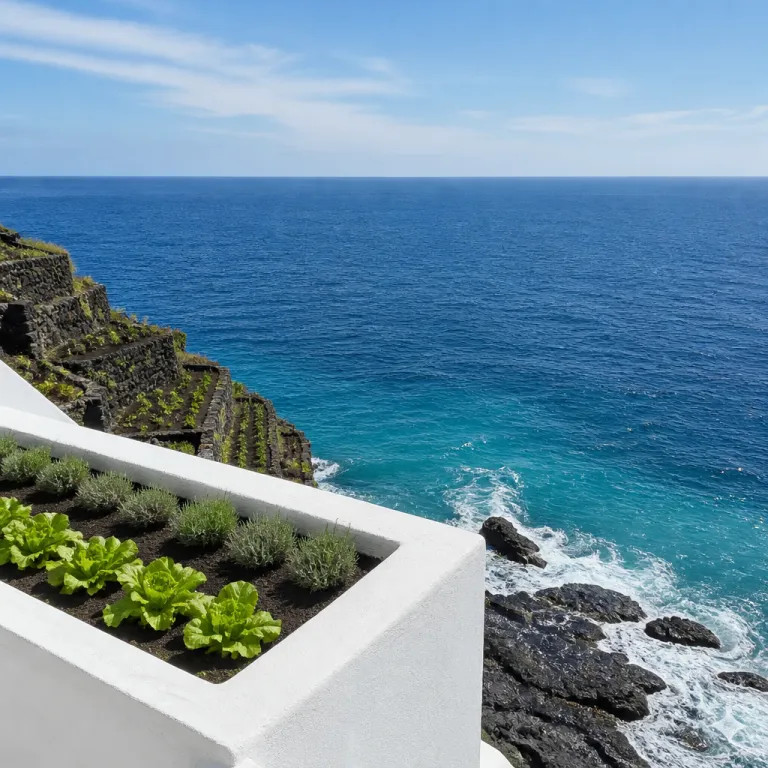
From volcanic soil to hotel plate: why sustainable hotels in Madeira start in the fields
On Madeira island, sustainability begins long before a guest steps into any rooms. The volcanic soil, steep terraces and Atlantic wind shape a food culture that makes the way eco-conscious hotels work with Madeira’s local food and geography feel less like a trend and more like daily life. This island turns geography into an ally, allowing luxury properties to serve local food at true zero or near zero food miles.
Only about a modest share of Madeira’s land is farmed, yet those terraced plots are dense with banana Madeira, grapes for Madeira wine and vegetables that reach hotel kitchens within an hour. Local farmers work tiny parcels, often around one hectare, using terrace farming and traditional irrigation that rely on levada channels rather than energy intensive pumps. In this setting, the connection between sustainable hotels, Madeira’s farming communities and the surrounding landscape is not a slogan but a supply chain, linking Local Farmers as producers directly with Hotel Chefs as consumers.
The result is a style of hospitality where the island itself becomes the pantry and the story. When you book a holiday stay on this Atlantic island, the details on the menu often map directly onto the surrounding countryside and coast. As one Funchal-based chef explained in a recent local interview, “If it is not from this island, it has to justify the journey on the plate.” That is the quiet luxury here; a plate of Madeira food that reflects natural beauty, volcanic geology and a culture that has always treated water, soil and distance as precious resources.
Levada water, terraced hillsides and the architecture of sustainable supply chains
Madeira’s levada system, more than 2,000 kilometres of stone lined irrigation channels according to regional tourism authorities, is the hidden infrastructure behind many hotel stories about local food and responsible sourcing. Built from the fifteenth century onward, these levadas move water from the rain soaked north of the island to the sunnier south, feeding terraced fields that cling to the hills above Funchal and along the coast. This traditional irrigation reduces the need for energy hungry pumping stations and keeps agriculture viable in places where tractors cannot reach.
Walk a levada near Câmara de Lobos and you pass banana Madeira plants, vines for Madeira wine and small vegetable plots that supply both family tables and hotel kitchens. The methods are simple: hand tools, gravity fed water and direct sourcing through local markets or cooperatives that partner with the hospitality industry. As one local explanation from a farm guide puts it, “Volcanic soil and terraced landscapes support diverse crop cultivation.”
For guests, this centuries old engineering becomes tangible when a hotel breakfast buffet features passion fruit grown a short levada walk away or bolo caco bread brushed with garlic butter made from local olive oil. Families staying in the countryside can often explore terraced farms on foot, then taste traditional dishes like milho frito or peixe espada in the evening. If you want to understand why Madeira’s hotel food culture feels so rooted in place, follow the water channels first, then read about the island’s quiet trail revolution and mandatory bookings on carefully managed levada walks in this guide to stricter access on Madeira’s trails at this detailed trail access article.
Hotel gardens, Atlantic markets and the meaning of zero food miles
On this island, the distance between hillside farm and hotel kitchen is often measured in minutes, not hours. Many luxury properties on Madeira island cultivate their own gardens, with banana Madeira groves, herb beds and citrus trees framing the view from ocean facing rooms. Others rely on direct sourcing from Funchal’s Mercado dos Lavradores, where Local Farmers deliver crates of subtropical fruit and vegetables harvested that same morning.
In practice, this means a hotel can serve bolo caco still warm from a nearby bakery, drizzle it with local olive oil and garlic butter, then pair it with grilled peixe espada landed on the coast near Câmara de Lobos. Menus often highlight traditional dishes such as milho frito, bolo de mel and other Madeira food classics, explaining which valley or parish supplied the key ingredients. The agricultural supply chain here is intentionally short: daily harvesting, regular market deliveries and seasonal menu updates keep food wine pairings aligned with what the island can actually grow.
Families who book a stay in Funchal can walk to Mercado dos Lavradores in the morning, then see the same banana Madeira, passion fruit and anona reappear as refined desserts at dinner. Out in the countryside, some properties invite guests to explore terraced farms, taste Madeira wine during an intimate wine tasting and learn how Portugal Madeira balances heritage crops like sugar cane with newer varieties. A local farmer summarised it simply: “Most of what we sell to hotels travels less than ten kilometres from field to plate.” For a broader sense of how these practices fit into island wide sustainable tourism trends, read our in depth analysis of luxury and premium hotel booking sustainability at this sustainable tourism trends feature, which places Madeira’s farm to table hotel culture within a wider hospitality context.
Galomar, Avista and how to read real sustainability on your plate
Two names matter when you start evaluating high end hotels and restaurants that take Madeira’s local food geography seriously. Galomar, perched on the coast east of Funchal, is promoted by its operator as a pioneering eco friendly hotel in Madeira with a strong focus on renewable energy and resource efficiency. Across town, Avista restaurant at The Cliff Bay has been recognised with a Michelin Green Star, the only one on the island at the time of writing, for its rigorous approach to sourcing, waste and energy.
At Galomar, the energy story underpins everything from air conditioning in the rooms to the lighting in public spaces, allowing the hotel to focus its food offers on local producers without inflating its carbon footprint. Avista’s Green Star signals that its kitchen treats Madeira food as a responsibility as much as a pleasure; the team prioritises local fish such as peixe espada, vegetables from nearby farms and herbs grown on site, while minimising waste through careful menu design. When you sit on the terrace with a view over the bay, the food wine pairing often features Madeira wine or other labels from Portugal, reinforcing the island’s role within the wider Atlantic wine culture.
For families trying to separate genuine sustainability from marketing language, there are practical checks. Ask where the hotel sources its banana Madeira, whether bolo caco and milho frito are made in house and how often chefs visit Mercado dos Lavradores or other local markets. Look for clear references to EarthCheck certification for the island, transparent information about water and energy use and menus that change with the seasons rather than repeating the same holiday dishes all year. Industry surveys suggest that a significant share of Madeira’s upscale hotels now prioritise local produce in their purchasing, so when you are ready to book a stay that balances luxury with these values, our elegant guide to the top hotels in Funchal at this curated Funchal hotel selection highlights properties where local sourcing, landscape and hospitality are closely intertwined.
Planning a family stay: where geography, menus and experiences align
Choosing where to stay on Madeira island as a premium family is partly about geography and partly about what ends up on your plate. Along the south coast near Funchal, hotels offer easy access to Mercado dos Lavradores, urban levada walks and restaurants where traditional Madeira food sits comfortably alongside lighter, vegetable forward menus. Out in the countryside, properties near São Miguel in the island’s interior or above Câmara de Lobos trade city energy for quiet terraces, farm visits and a closer relationship with the levada fed fields.
When you book, pay attention to how each place describes its relationship with local food and the surrounding landscape. Look for details about on site gardens, partnerships with Local Farmers and specific mentions of dishes like bolo de mel, milho frito, bolo caco or peixe espada that anchor the menu in Madeira’s food culture. Some hotels will highlight wine tasting experiences focused on Madeira wine and other labels from Portugal Madeira, while others emphasise family friendly activities such as exploring terraced farms, tasting banana Madeira straight from the tree or learning how olive oil and garlic butter shape everyday cooking.
Families who care about environmentally responsible hotels and Madeira’s local food geography should also consider how a property frames its role within the island rather than comparing itself to the Canary Islands or mainland resorts. The most convincing hotels talk about EarthCheck goals, levada water use and farm to table dining in the same breath as spa treatments and pool design. They understand that natural beauty, food wine pairings and thoughtful service belong together, creating a style of hospitality where every holiday meal tells a story about this Atlantic island and its volcanic heart.
FAQ
How does Madeira’s geography influence what hotels serve?
Madeira’s volcanic soil, steep terraces and levada irrigation allow farmers to grow bananas, grapes, sugar cane and a wide range of fruits and vegetables in a compact area. Hotels benefit from this geography by sourcing produce from nearby hillsides or markets in Funchal, keeping transport distances short and ingredients fresh. The result is that many luxury properties can offer menus built around local food that truly reflects the island’s landscape.
What crops are most common in Madeira’s hotel kitchens?
The most visible crops in hotel kitchens are bananas, grapes for Madeira wine, sugar cane and seasonal vegetables such as cabbage, tomatoes and root vegetables. Subtropical fruits like passion fruit, mango and avocado also appear frequently in desserts and breakfast buffets. These ingredients support both traditional Madeira food dishes and lighter, contemporary plates aimed at health conscious travelers.
Are Madeira’s hotels really committed to using local produce?
Many hotels on Madeira island prioritise local sourcing, especially properties that position themselves around sustainability or farm to table dining. They often work directly with Local Farmers, cooperatives and markets such as Mercado dos Lavradores to secure daily deliveries. Guests can usually see this commitment reflected in menu descriptions, seasonal dishes and the presence of classic recipes like milho frito, bolo de mel and peixe espada prepared with local ingredients.
How can I tell if a hotel’s sustainability claims are genuine?
Look for specific, verifiable information rather than vague language about being green or eco friendly. Concrete signs include recognised certifications such as EarthCheck, clear explanations of water and energy management, and detailed sourcing notes that name local suppliers or regions on Madeira island. Talking directly with staff about where the hotel buys its produce or how often chefs visit local markets is another reliable way to assess authenticity.
What food experiences should families not miss when staying in Madeira?
Families should try a market visit to Mercado dos Lavradores in Funchal, followed by a meal that features traditional Madeira food such as bolo caco with garlic butter, milho frito and grilled peixe espada. A guided wine tasting that includes Madeira wine offers adults a deeper understanding of the island’s viticulture, while children often enjoy tasting banana Madeira and other fruits straight from the source on farm visits. Combining these experiences with a levada walk gives context to how water, soil and local food culture connect across the island.