What the new Madeira hiking rules mean for luxury guests
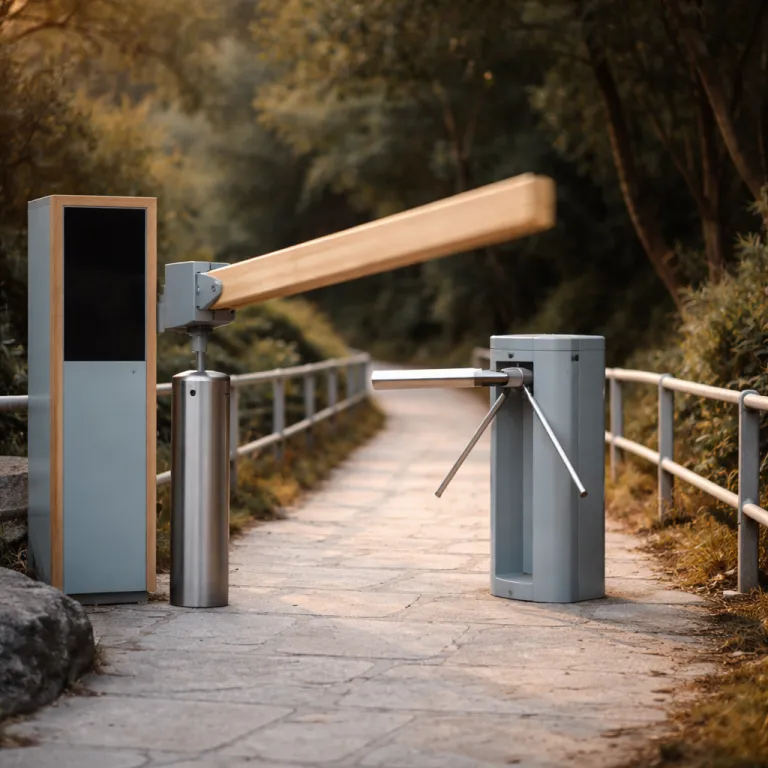
Madeira has moved from informal levada culture to a tightly managed hiking system. The new Madeira hiking rules 2026 require mandatory reservations for all classified trails, with every person trail entry linked to a named booking and a defined time slot. For luxury travelers planning a hike between spa appointments or tasting menus, this shift will change how you structure each day.
The reservation system is run by IFCN, the regional body that manages trail access and fees across the island. All official trail reservations now pass through the SIMplifica platform, where visitors select their preferred hiking trails, pay the access fee and receive a QR code that will be checked at the start of the hike. “Use the SIMplifica portal to book.”
For guests staying in high end properties in Funchal or along the south coast, concierges are rapidly adapting to hiking Madeira under these new rules. Many hotels now pre book early morning time slots on popular trails Madeira wide, then adjust transfers and picnic services around the confirmed reservation time. If you arrive time late for your slot, staff at the access point can refuse entry and ask you to re book through the official system.
Arriving without any booking is now the main friction point reported by visitors who treat Madeira hiking as a spontaneous add on. At busy access gates for Vereda do Areeiro or the laurissilva forest levadas, staff will direct you to the SIMplifica platform on your phone and ask you to check remaining time slots before you can hike. If all peak times are full, you will either pay the fee for a later slot or choose a different trail with lower demand that day.
Luxury tour operators working in adventure tourism say the structure is improving overall visitor experience on the most fragile hiking trails. They can now guarantee that a person trail count will not exceed the official cap, which keeps the laurissilva forest quieter and reduces queues at narrow passes. For solo explorers using a premium hotel as base, this means fewer crowds on the path and a calmer hike that still fits within a carefully planned day of tourism experiences.
Hotel teams are also using the new Madeira hiking rules 2026 to refine their own services. Some properties in Funchal and Calheta now bundle trail access fees into private transfer packages, handling SIMplifica reservations in house so guests only see a single line on their folio. If you prefer to manage your own trail reservations, concierges will still advise which trails Madeira wide match your fitness level and how long each hike will realistically take.
For detailed planning of levada walks and fees before you choose a property, our guide to how to book levada walks and what to pay pairs well with hotel shortlists. It explains how the SIMplifica system interacts with private transfers, rental cars and guided hikes arranged through your accommodation. Reading it alongside hotel descriptions will help you align spa times, restaurant reservations and trail access windows without stress.
On the ground: what works, what frustrates on Madeira’s trails
Four months into the Madeira hiking rules 2026, patterns are emerging on the ground. The base access fee of a few euros for most classified trails, and the higher rate for PR1 between Pico do Areeiro and Pico Ruivo, are not deterring visitors who already invest in premium hotels and private drivers. Instead, the main tension lies in the rigidity of the time slot system when Atlantic weather shifts quickly.
On the flagship Vereda Areeiro ridge, now one of the most tightly controlled trails Madeira offers, hikers must show their SIMplifica QR code at the gate before sunrise departures. If clouds roll in and you decide to delay your hike, the reservation system does not always allow last minute changes, which frustrates guests used to flexible luxury tourism. Concierges report spending more time re booking slots and explaining that the mandatory rules are designed to protect safety and the fragile peaks.
Pico Ruivo, reached either from Achada do Teixeira or via the full ridge hike, illustrates both the strengths and limits of the new model. The IFCN team can now cap the number of people on the trail at any given time, which reduces erosion and keeps viewpoints calmer for photography. Yet when visitors arrive time late because of traffic or slow parking at reorganized access points, they sometimes face firm refusals that feel at odds with the relaxed image of Madeira hiking.
Luxury properties in Funchal and the north coast valleys are responding with more precise logistics. Drivers now leave hotels earlier for peak times on popular hiking Madeira routes, building in buffers for parking and check in at the trail access gate. Some concierges even track live feedback from tour operators on the ground, then adjust suggested arrive time windows for guests who still need to book early through the SIMplifica platform.
For solo travelers using a premium hotel as a quiet base, the upside is tangible on the paths themselves. The laurissilva forest sections of several hiking trails feel less congested, bird calls are easier to hear and photo stops are no longer a queue of trekking poles. That calmer visitor experience is exactly what the Madeira Regional Government and IFCN promised when they framed the reservation system as a tool to preserve nature while sustaining adventure tourism.
Guests who prefer family friendly luxury can see how this plays out in practice by reading our feature on luxury hotels in Madeira for memorable stays. It shows how high end properties now integrate guided hikes, SIMplifica bookings and kid friendly levada walks into broader itineraries. The same logic applies to solo explorers, who can lean on concierge expertise while still keeping control of their own trail reservations.
From UPGRADE program to hotel concierges: what comes next
The new Madeira hiking rules 2026 sit inside a wider UPGRADE program that reshapes how visitors move through six protected natural areas. Parking zones, shuttle routes and trail access points have been reorganized so that the reservation system can manage flows from car park to viewpoint. For luxury hotels, this means transfer times to hiking trails are changing, and concierges must update their advice daily rather than relying on old habits.
Other Atlantic islands are watching how Madeira balances adventure tourism with high end hospitality. The model, already highlighted by the European Union’s tourism platform, links every person trail entry on key routes such as Vereda Areeiro and the approaches to Pico Ruivo to a digital record in the SIMplifica system. That level of control over arrivals, combined with modest access fees, is being studied as a template for destinations where hiking demand is rising faster than infrastructure.
For guests, the practical question is simple ; how will this affect my stay in a luxury property overlooking Funchal Bay or the north coast cliffs. The answer depends on how early you book and how willing you are to let concierges manage your trail reservations alongside restaurant and spa bookings. If you book early, especially for peak times on PR1 or other headline trails Madeira wide, you will secure the time slot that fits your preferred rhythm of late breakfasts and sunset cocktails.
Guided tour operators are also repositioning themselves as navigators of the new rules rather than just transport and storytelling. Many now include SIMplifica platform management, IFCN liaison and flexible backup routes in their pricing, which appeals to solo explorers who want a seamless hike without studying every official document. For premium hotels, partnering with these operators turns the reservation system from a hurdle into a curated part of the visitor experience.
Guests curious about how the rules intersect with specific routes should read our report on what changed on the PR1 trail after wildfire recovery. It explains how trail access, safety infrastructure and booking conditions evolved on the island’s most famous ridge hike. Those changes mirror the broader shift toward managed Madeira hiking that now shapes everything from airport arrivals to late night poncha runs back in Funchal.
Looking ahead, the key for luxury and premium travelers will be to treat hiking Madeira as a core part of the itinerary, not an afterthought. Align your hotel choice, transfer options and dining plans with the realities of the reservation system, especially on classified trails in the laurissilva forest and the central massif. Do that, and the new rules will feel less like bureaucracy and more like a quiet guarantee that the island’s wild heart stays intact for your next visit.