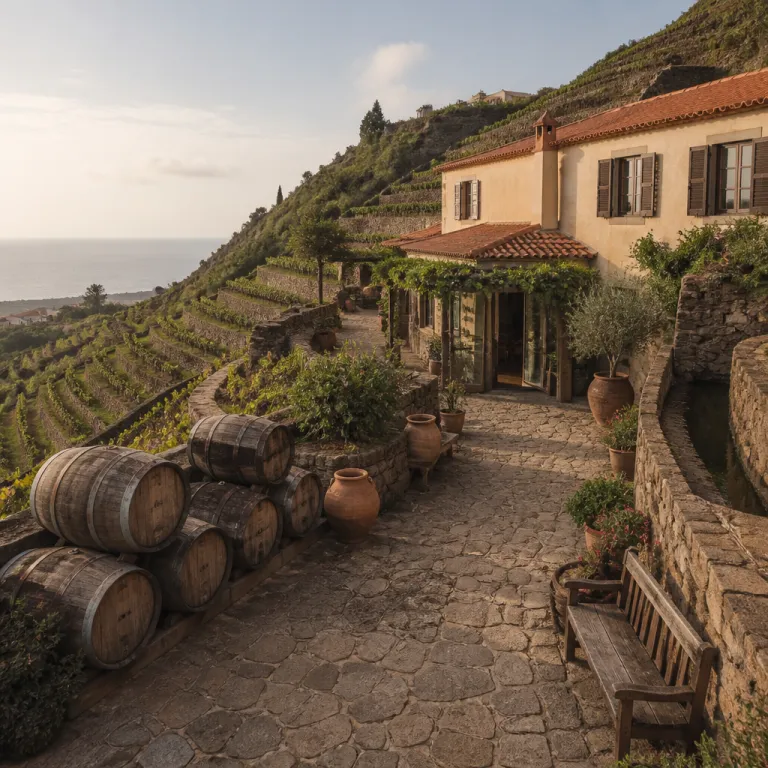
What a Madeira quinta really is: from working estate to refined hotel
A Madeira quinta was never just a pretty country retreat with a view. Traditionally, a quinta was a working agricultural estate with a manor house, terraced land for wine or sugar cane and a garden that fed the kitchen as much as it pleased the eye. When you book a stay in one of today’s quinta hotels in Madeira, you are stepping into that layered story rather than a generic luxury hotel narrative.
On the slopes above Funchal, Casa Velha do Palheiro evolved from a private country house and hunting lodge into a discreet country house hotel that still feels like a lived in manor. Stone staircases, creaking floorboards and a formal dining room coexist with a heated swimming pool, a small spa with Turkish bath facilities and an 18 hole golf course that rolls through the original gardens. This is where the idea of a historic estate boutique hotel in Madeira starts to make sense, because the architecture, the garden and the service are all scaled to the original house rather than to a resort blueprint.
Across the island, several former wine estates have been converted into hotels, a shift that has clearly boosted wine related tourism and helped preserve fragile heritage, even if exact figures vary between studies and official tourism reports. The goal was clear: preserve historical estates, enhance tourism offerings and showcase Madeira's wine culture, and that ambition still shapes how each room, each restaurant and each bar is designed. When you check availability at these hotels, you are not just choosing a room category, you are choosing between sleeping in the old manor house, a former farm building or a contemporary wing that frames the gardens and pools in glass.
Architecture and adaptive reuse: stone walls, glass wings and listed rules
The most interesting quinta hotels in Madeira are design laboratories where architects negotiate between thick stone walls and the expectations of a modern luxury stay. In Funchal, Quinta da Casa Branca shows how an old estate can become a hotel where the original manor house now holds salons and a refined dining room while low slung modern wings slip through the gardens. Here, the character of a historic estate boutique property is expressed through long glass corridors that keep you close to the garden and through rooms that feel like pavilions in a subtropical park.
Listed building rules mean that many a manor house façade cannot be altered, so architects work behind the scenes, threading in lifts, climate control and soundproofing without touching the volcanic stone. At Casa Velha do Palheiro, the main house keeps its proportions while newer rooms step down the hill, giving guests direct access to the garden and the outdoor pool without disturbing the silhouette. In the city Funchal centre, the future of Quinta Perestrello under the Pestana Hotel Group has been discussed in local hospitality circles as a test of how a large operator might handle a small heritage property, because any team must respect the house and gardens while integrating pools, a pool restaurant and contemporary rooms.
This tension between restoration and adaptive reuse is what separates the most characterful quinta hotels from anonymous Funchal hotel conversions. Some owners keep every ceiling rose and tile, accepting smaller rooms in exchange for authenticity and a stronger sense of house history. Others, like Savoy Palace and its ultra premium wing The Reserve, represent the opposite approach: purpose built towers with vast swimming pools and restaurants and bars that feel like a vertical village, a useful counterpoint when you are deciding whether to book a stay in a historic quinta or a new build icon and when you read about how Savoy Signature is reshaping luxury hospitality in Madeira in analyses of Madeira’s most desirable hotel employers.
Garden continuity: living museums of camellias, bananas and old stone
If the manor house is the brain of a Madeira quinta, the garden is its memory. Many of the most compelling quinta hotels in Madeira have kept their original gardens as the organising principle of the entire hotel, rather than as a decorative afterthought. When you walk from your room to breakfast through a tunnel of camellias or past a banana terrace, you feel the agricultural past of the estate under your feet.
At Quinta Jardins do Lago, the garden is not just a backdrop but a curated botanical collection that wraps around the swimming pool, the outdoor pool terrace and the main house. Guests can book a stay in rooms that open directly onto lawns, with views over Funchal and easy access to paths that wind between century old trees and ponds. The hotel’s restaurant and bar both look into this green amphitheatre, so the experience of dining or taking a nightcap is inseparable from the gardens and from the sense that this is a true historic quinta hotel environment.
Quinta da Casa Branca, often shortened by regulars to Quinta Casa Branca, uses its gardens differently, with long lawns and tropical planting that create privacy between pools and low rise wings. Breakfast here feels like a private garden party, and the pool restaurant is set so that you swim almost level with the flower beds and the old stone walls of the estate. For travellers who care about food, these gardens also feed the kitchen, and the island’s broader culinary evolution is captured in reports on why Madeira hotel breakfast keeps winning food awards, a trend that quinta hotels in Madeira have helped to lead with their focus on local fruit, herbs and estate grown produce.
Quinta scale hospitality: intimacy, service and the rhythm of the house
Most quinta hotels in Madeira operate between fifteen and forty rooms, a scale that shapes everything from service style to how you move through the house. You are not in a mega resort where the pool is an anonymous rectangle and the bar is a lobby appendage; you are in a place where the same team remembers how you take your coffee and which levada walk you did yesterday. This intimacy is what makes a night book in a quinta feel more like staying in a private house than in a conventional hotel.
In the heart of Funchal, properties like Quinta Jardins do Lago and Quinta da Casa Branca manage to feel secluded while still giving quick access to the city Funchal restaurants bars scene. You can spend the afternoon by one of the swimming pools, then walk or take a short taxi down to the harbour for dinner, returning to a quiet garden bar for a final poncha. For business travellers extending a work trip, this balance between connectivity and retreat is ideal, because you can hold informal meetings in the lounge or on the terrace and still feel that your stay is anchored in a historic manor house rather than a corporate Funchal hotel.
Service at this scale is also more flexible, with breakfast times that stretch, poolside snacks that feel tailored and staff who can arrange vineyard visits or levada guides at short notice. Many quinta hotels in Madeira offer wine tasting in the dining room or library, linking back to the original purpose of the estate and to the broader trend of wine tourism on the island. When you check availability, pay attention not only to room size and view but also to how the hotel describes its house rituals, from afternoon tea in the salon to garden tours led by the head gardener.
Where to stay: three emblematic quintas and how to choose yours
For travellers who want the purest expression of Madeira’s historic estate boutique hotels, three properties stand out as benchmarks. Casa Velha do Palheiro, above Funchal, is the archetypal hunting lodge turned hotel, with a golf course, formal gardens and a main house that feels like an English country house transplanted to Madeira. Quinta Jardins do Lago offers a more botanical, almost museum like garden experience, while Quinta da Casa Branca leans into modernist lines and low rise pavilions set in a lush park.
Casa Velha do Palheiro suits guests who prioritise quiet, golf and old world interiors, with a swimming pool, a small spa with Turkish bath and a restaurant that serves classic Madeiran dishes in a traditional dining room. Quinta Jardins do Lago is ideal if you want to be close to the heart Funchal area yet feel cocooned by gardens, with an outdoor pool, a refined bar and rooms in both the original house and newer wings. Quinta da Casa Branca works well for design conscious travellers who like the contrast between the old manor house, used for lounges and a fine restaurant, and the contemporary rooms that open directly onto lawns and pools.
Whichever quinta you choose, think about how you like to use a pool, a bar and a restaurant during your stay, because each house has a different rhythm. Some guests will want multiple pools and a pool restaurant for lazy days, while others will prioritise quick access to Funchal’s village like neighbourhoods and to levada trails in the hills. If you are serious about swimming, it is worth reading a detailed guide to Madeira hotel pools and infinity edges before you book, so that your chosen quinta matches your idea of the perfect day between the gardens and the Atlantic.
FAQ
What is a quinta in Madeira and how is it different from other hotels ?
A quinta in Madeira is a traditional estate or farm, often associated with wine production and centred on a manor house surrounded by terraced land and gardens. When such a property becomes a hotel, the architecture, gardens and room layout usually follow the original house rather than a standard resort plan. This creates a more intimate, historically grounded stay than you would find in most purpose built hotels.
Are Madeira’s quinta hotels suitable for families ?
Many quinta hotels in Madeira welcome families, especially those with older children who appreciate gardens, pools and quieter spaces. Rooms in newer wings often offer more flexible layouts, and swimming pools, outdoor pool terraces and lawns give children space to move. It is worth checking availability for interconnecting rooms and confirming pool depth and facilities before you book a stay with younger guests.
Can guests participate in vineyard or garden activities during their stay ?
Some quinta hotels on Madeira still maintain vineyards or kitchen gardens and offer seasonal activities linked to them. Guests can sometimes participate in grape harvesting, join guided garden walks or attend wine tasting sessions in the dining room or bar. When you book, ask the hotel directly which estate activities are available during your dates, as these can vary with the agricultural calendar.
How far are the main quinta hotels from central Funchal ?
Most of the best known quinta hotels sit on the hills above the city Funchal centre, typically within a ten to fifteen minute drive of the harbour, or roughly three to five kilometres depending on the property. This gives guests quiet gardens, pools and views while keeping restaurants bars, shops and the old town within easy reach. Taxis are plentiful, and some hotels offer scheduled shuttles, so you can enjoy the heart Funchal atmosphere without sacrificing the calm of a historic estate.
When should I book a quinta hotel in Madeira for the best experience ?
Quinta hotels in Madeira are small, so they fill quickly during peak seasons and around major holidays. For the best choice of room type, view and rate, it is wise to night book several months ahead, especially if you want a specific house, such as Quinta Jardins do Lago or Quinta da Casa Branca. Shoulder seasons can offer a particularly pleasant balance of mild weather, quieter gardens and more flexible availability.