From irrigation lines to luxury lines: why levadas dictate where you stay
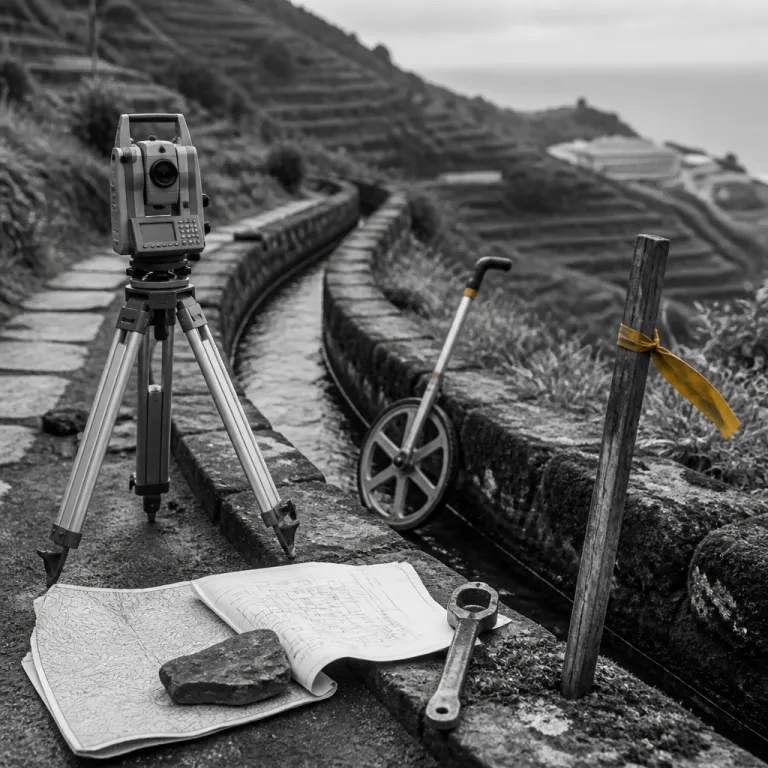
On Madeira Island, the story of luxury hospitality begins with a levada. These irrigation channels, carved by early settlers to move levadas water from the wet north to the sunnier south, quietly fixed where agriculture could thrive and where hotels would later rise. When you read the island landscape today, every premium clifftop pool and every discreet valley retreat still follows those original water ledgers and the narrow paths that now host many a levada walk and gentle Madeira walk.
The network now stretches for roughly 2 000–3 000 km according to regional tourism info, a dense web of stone-lined veins that helped turn a steep volcanic island into a cultivated garden. Southern slopes around Funchal, Câmara de Lobos and Calheta became prime land because each levada brought reliable water to vineyards, banana terraces and sugarcane fields, and hotel developers simply followed those productive hillsides. Infrastructure development was never neutral: the same routes that carried water and workers now carry guests on popular levada walks near hotels in Madeira, transforming a working system into a walking experience of rare subtlety along paths that skim valley rims and rock ledges.
Ask any guide what a levada is during your first Madeira walk and the answer is disarmingly simple. “What is a levada?” and “Why were levadas built?” sit at the heart of every briefing, and the official reply remains: “An irrigation channel on Madeira Island” and “To transport water to drier regions.” The next logical question — “How did levadas influence hotel locations?” — is answered just as plainly: “Hotels were built near levadas for tourist access to the walking routes,” and once you walk the paths above your hotel, the logic feels like a kind of heaven–earth alignment between mountain, sea and the routes you will hike that day.
How water shaped agriculture, and agriculture shaped hotel districts
The southern coast island arc from Funchal to Câmara de Lobos became wine country because levadas water could be channelled efficiently into terraced slopes. Those same terraces, once lined with vines and sugarcane, now host some of the best luxury properties, where a levada walk begins almost at the spa door and the walking experience still follows the old agricultural routes. When you book in these districts, you are choosing not only a hotel but a place in Madeira Island’s long negotiation between rock, water and cultivation that still defines many of the best walking paths.
Further west, Calheta’s banana plantations grew where cut-rock levada channels hugged the cliffs, and modern resorts now sit between the plantations and the sea. Guests step from infinity pools to coastal paths, then drive inland for full day hiking along levadas that once fed those same fields, turning a work route into a curated day of walking. Machico and the Lourenço peninsula, including the sculpted line of Ponta de São Lourenço, tell a similar story: sugarcane once dictated where channels ran, and today those vereda routes attract walkers who want both raw coast–island drama and refined service back at their hotel.
For travellers balancing meetings with leisure, this agricultural geography matters more than any abstract map of Madeira Island. Choose Funchal’s upper slopes and your day might start with a short transfer to a vereda Pico trail, then end with poncha on a terrace overlooking the valley that levadas once irrigated. Stay closer to Machico and your walk will likely trace the São Lourenço headland, a route where every bend reveals mountain, coast and the original logic of water distribution that still underpins hotel development, as explored in depth in our guide to Madeira hiking trails for luxury travellers seeking elevated island stays and full day routes.
Staying near the trails: hotel zones aligned with levada classics
For guests focused on levada walks near hotels Madeira, three main zones offer the strongest alignment between five-star comfort and iconic paths. Above Funchal, hillside properties give quick access to the popular Levada do Furado between Ribeiro Frio and Portela, where the levada section threads Laurissilva forest and opens suddenly onto a valley that feels suspended between heaven and earth. These hotels often arrange private transfers timed to avoid the busiest hiking windows, turning a standard Madeira walk into a quieter, more contemplative walking experience on one of the island’s classic routes.
North of the capital, rural estates near Santana and São Jorge position you closer to Vereda do Pico Ruivo and the high mountain spine. Here, a full day route might link Pico do Arieiro to Pico Ruivo, with your hotel arranging a guide who knows every rock ledge and weather pattern on the ridge, then greeting you at dusk with a fire and a tasting of local wine from the very slopes you saw from above. In these properties, the line between a mountain walk and a curated retreat is deliberately thin, and the staff treat levadas water management and vereda safety as part of the storytelling, not just background scenery.
On the eastern edge, stays near Machico and the Lourenço peninsula are ideal if you want São Lourenço’s volcanic spine as your morning routine. From sea-level hotels at Ponta de São Lourenço to elevated retreats above the bay, the vereda route along the peninsula offers a full palette of coast–island views, from black rock coves to wind-carved cliffs. Guests who read the terrain carefully can plan a half-day levada walk inland, then return to the hotel for remote work or spa time, a rhythm we unpack in detail in our guide to extended stays in Madeira that remote workers are quietly booking for longer walking holidays.
Walking from your door: car free access to levadas and veredas
Not every executive traveller wants to rent a car for a three-day stay, and the good news is that several hotel clusters sit within walking distance of meaningful trails. In upper Funchal, certain luxury properties back directly onto old service paths that link to the Levada dos Tornos and other Madeira walk segments, allowing you to start your walk from the garden gate. These are not the most dramatic mountain routes, but they offer a gentle walking experience before breakfast, with views over the bay and the island’s terraced amphitheatre.
In Santo da Serra and the high plateau villages, smaller premium hotels often sit a short stroll from levada paths that once supplied water to surrounding farms. From here, a full day outing might combine a section of levada furado such as Levada do Furado with forest tracks leading towards Ribeiro Frio, giving you both shaded hiking and occasional openings onto the valley below. The route choices range from easy, almost level walks to more demanding vereda climbs, and hotel concierges usually hold detailed info sheets so you can read the options over coffee and match them to your schedule.
Along the eastern coast, select properties near Machico allow guests to reach the start of the São Lourenço vereda on foot or with a brief shuttle, avoiding parking stress at this popular headland. A typical day might begin with a sunrise walk along the Lourenço peninsula, where the rock strata glow in layered reds and ochres, then continue with a relaxed afternoon by the pool. For those extending business trips, this car free access to levada walks near hotels Madeira turns a tight calendar into something more generous, with nature-embedded stays that feel both efficient and indulgent and keep your walking routes close to your room.
Sustainability, heritage and choosing the right levada based stay
Madeira’s levadas are not only scenic walking routes; they are a centuries-old example of sustainable water management that still underpins the island’s tourism economy. Manual excavation, hand tools and rope work created channels that hug the mountain contours, minimising energy use while maximising flow, and this same low-impact logic now informs how responsible hotels frame their walking experience offers. Many properties highlight the Laurissilva forest’s UNESCO World Heritage status and the island’s recognised sustainability certifications, positioning levada-based activities as a way to support conservation rather than strain it.
Since the regional authorities began testing an online booking system with modest trail fees for certain popular routes, planning a full day levada walk has become more structured and, ultimately, more sustainable. Guests now often reserve classic hikes such as Caldeirão Verde, Vereda do Pico Ruivo or the São Lourenço peninsula in advance, allowing park managers to control numbers and protect fragile rock faces and valley ecosystems. Luxury hotels have responded by integrating this system into their concierge services, handling reservations, providing clear info and ensuring that your Madeira walk aligns with both your calendar and the island’s carrying capacity.
When choosing between hotels, look for properties that treat levadas water heritage as more than a marketing line. The best stays offer guided walks on quieter paths as well as headline routes, explain how each levada shaped local agriculture, and support trail maintenance either financially or through staff participation. In these places, levada walks near hotels Madeira are framed not as a checklist of popular hikes but as a layered reading of Madeira Island itself, where every route from Ribeiro Frio to Ponta de São Lourenço connects your room key to the original channels that made settlement — and later, hospitality — possible.
FAQ
What is a levada walk in Madeira and why does it matter for hotel choice ?
A levada walk in Madeira is a hiking route that follows the island’s historic irrigation channels, often on narrow paths cut into the mountainside. Because these channels determined where agriculture and later hotels could develop, staying near specific levadas can dramatically reduce transfer times and allow you to walk directly from your hotel. For travellers with limited days, choosing a property aligned with the routes you want to hike is one of the most efficient planning decisions for a full day on the trail.
Which hotel areas are best for accessing popular levada and vereda routes ?
Funchal’s upper hills are ideal for easier levada walks and quick access to Ribeiro Frio and Portela via Levada do Furado, while the Santana region suits guests targeting Vereda do Pico Ruivo and other high mountain trails. Machico and the eastern coast work well for the São Lourenço peninsula, combining coastal vereda routes with comfortable sea-level stays. Calheta and the south-west are better if you want sun, banana-terrace scenery and longer transfers to central levadas balanced by resort-style relaxation and slower walking days.
Can I enjoy levada walks near hotels in Madeira without renting a car ?
Yes, several luxury and premium hotels sit within walking distance of levada paths or offer scheduled shuttles to nearby trailheads. In Funchal, Santo da Serra and parts of Machico, you can reach meaningful routes on foot or with short transfers arranged by the concierge. This car free approach suits business travellers extending their stay, as it keeps logistics simple while still offering full day hiking options and popular vereda routes such as São Lourenço.
How does the new levada booking system affect hotel guests ?
The online reservation system for certain levada and vereda trails requires you to book a slot and pay a small fee before hiking, although details may change as the scheme evolves. For hotel guests, this mainly means planning key walks such as Caldeirão Verde or São Lourenço a few days ahead, often with help from the concierge. In return, you benefit from less crowded paths, better trail maintenance and a more sustainable overall walking experience on Madeira Island.
What should I ask a hotel if levada walking is a priority for my trip ?
Ask which specific levada and vereda routes are closest, how long transfers take and whether the hotel organises guided walks or only basic transport. It is also worth checking if staff can provide up-to-date info on trail conditions, booking requirements and weather patterns in the mountains. Properties that answer these questions clearly usually have stronger relationships with local guides and a more thoughtful approach to nature-embedded stays, helping you choose the best routes from Pico Ruivo to Ponta de São Lourenço.