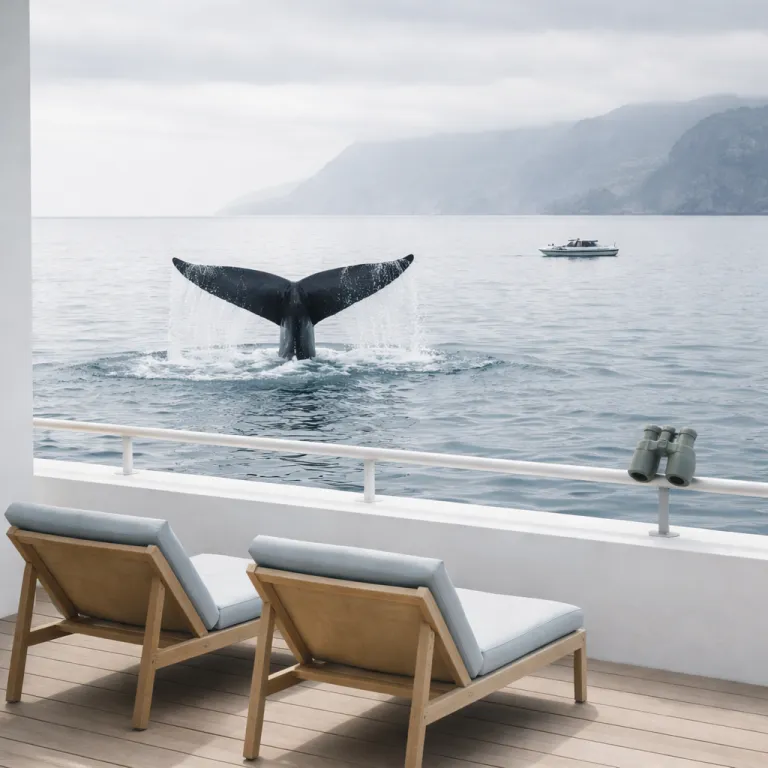
Whale watching in Madeira: how to plan an elegant, ocean‑focused trip
Note: Sightings data and species counts below draw on figures reported by local operators, the Madeira Whale Museum, and regional marine research projects; they can vary by season and conditions.
Why whale watching belongs on every travel madeira itinerary
Madeira sits alone in the Atlantic, an island framed by deep ocean trenches and warm currents that attract whales and dolphins close to shore. For a couple, a family, or a small group planning a refined trip, whale watching here feels less like a quick excursion and more like a quietly spectacular ritual that reshapes how you view this part of Portugal. When you travel with time to spare, you start to see how the marine life, the volcanic cliffs, and the slow rhythm of Funchal’s harbour all connect into one long, elegant viewpoint over the sea.
The archipelago has more than 28 recorded cetacean species according to the Madeira Whale Museum and regional marine biology surveys, which makes any travel guide to Madeira incomplete without a section on the ocean. Long‑running monitoring programmes and reputable operators report a whale and dolphin sighting success rate close to 95 %, so adding a half day on the water is not a gamble but a near certain highlight for your bucket list. When you plan your trip with a flexible day or two, you can choose the best weather window, adjust your departure time, and pair your tour with a long lunch on a black sand beach or a late cable car ride back up to your hotel.
For luxury travelers, the real hidden gems are not only the animals but the way you experience them. Small group departures, marine biologist guides, and discreet service turn a simple boat ride into something closer to a private walking tour on water, where every view and every minute feels curated. This is where a specialist travel guide such as stay-in-madeira.com becomes useful, because it helps you find hotels that understand you may return from a three hour trip slightly salty, sun dazed, and ready for a quiet infinity pool rather than a loud bar.
May and June in Madeira: species, seasons, and sea conditions
From April to October, the waters around Madeira are at their most generous, and May and June sit in a particularly sweet spot for whale watching. During this time, blue whales and sperm whales migrate through the deep channels off the island, while resident dolphins patrol close to the cliffs between Funchal and Caniçal. According to local guidance and regional tourism boards, “April to October offers the best conditions and species diversity.”
In practical terms, that means your chances of ticking whales off your bucket list during a week long trip are excellent, especially if you keep one spare day to move your tour when the wind shifts. Morning departures usually offer calmer seas, which matters if you are prone to seasickness and still want to enjoy the amazing views back to Pico Arieiro and the central mountains. Typical tours last between 2 and 3 hours, with common departure times around 9:00, 12:00, and mid afternoon, so you can be back in Funchal by lunchtime, or continue along the coast by rental car for an afternoon on a quiet beach near Ponta do Sol.
Sea temperatures are comfortable for sitting on deck, yet not so hot that the glare becomes tiring, which makes May and June ideal for couples who prefer soft light and long days and for families who want children to enjoy the breeze without overheating. You will still want a light jacket, sunscreen, and perhaps 30 minutes of rest by your hotel pool before planning any serious hiking or day hiking in the highlands. If you are combining a whale watching morning with an afternoon hike in Madeira’s laurel forest or a sunset drink in a small bar above São Vicente, this shoulder season timing keeps the whole day balanced and unhurried.
Choosing your boat: catamaran comfort or RIB speed for luxury travelers
Once you have fixed your travel madeira dates, the next decision is how you want to be on the water, because the vessel shapes the entire experience. Catamarans offer stability, shaded seating, and space to move, which suits couples who want to stretch out, photograph the views, and treat the outing as a floating lounge with whales as occasional, spectacular guests. RIBs, the rigid inflatable boats used by operators such as Lobosonda or Rota dos Cetáceos, trade that comfort for speed and proximity, bringing you closer to the action in a smaller group.
For many luxury travelers, the choice comes down to mood rather than budget, since both options are relatively accessible compared with the cost of a premium hotel night in Madeira. As a broad guide, shared catamaran tours often start around €35–€45 per adult, while small group RIB outings typically range from about €50–€70 depending on season and inclusions. If you are staying on the north coast near São Vicente or exploring the hidden gems around Porto Moniz, a RIB departure can feel like an extension of your day hiking and cliffside viewpoints, fast and elemental. From Funchal, a catamaran cruise pairs beautifully with a late walking tour through the old town, followed by a dinner of espetada and passion fruit desserts at a restaurant recommended in this insider guide to poncha, espetada and dining in Madeira beyond the Michelin circuit.
Small group departures, whether on catamaran or RIB, are the real premium upgrade, because they allow the marine biologist on board to act as a personal guide rather than a distant voice on a loudspeaker. You will hear more about migration patterns, understand why Pico Arieiro’s silhouette matters for navigation, and have time to ask about other things Madeira does well, from levada hiking to volcanic rock hotel pools. If you are staying in one of the north coast properties featured in this curated overview of five north coast hotels worth the winding road, a RIB tour from the western marinas can turn a simple day into a full circle of sea, cliffs, and laurel forest.
Caniçal and the east coast: where to stay near the whales
Caniçal, on the east coast of Madeira, has long been the working harbour for the island’s relationship with whales, and today it is one of the most strategic bases for refined travelers who want easy access to the ocean. From here, you are minutes by car from several departure points, yet far from the cruise ship crowds that sometimes pass through Funchal. The landscape is raw and cinematic, with the São Lourenço peninsula stretching out like a stone spine into the Atlantic and offering some of the most dramatic views on any hike in Madeira.
Staying near Caniçal allows you to treat whale watching as a gentle extension of your hotel day rather than a rushed transfer from the capital. You can book a morning tour, return by mid day for a long lunch on a terrace facing the sea, then drive 20 min to the trailhead at Ponta de São Lourenço for an afternoon hike with sweeping viewpoints back towards the main island. Couples who enjoy both the sea and hiking will appreciate how this corner of Portugal compresses experiences into short, elegant arcs, with no single drive longer than an hour.
Several premium properties along the east coast, including resorts near Caniçal and Ponta de São Lourenço, now work closely with marine biologists such as Pedro Andrade, a respected marine biologist and skipper who provides expert guidance on whale watching in Madeira. Concierge teams can arrange private transfers to the marina, prepare early breakfasts for dawn departures, and suggest alternative things Madeira offers on days when the sea is too rough, from a cable car ride in Funchal to a quiet walking tour through Machico. For couples planning a longer trip that also includes Porto Santo or a few nights in Ponta do Sol, anchoring two or three days on the east coast around whale watching creates a satisfying rhythm between ocean, hiking, and hotel time.
Marine biology, Ilhas Desertas, and conservation led experiences
The most rewarding whale watching in Madeira goes beyond sightings and leans into science, which is where research focused tours come in. Several operators now work with marine biologists on board, using hydrophones to listen to whale vocalisations and sharing real time data about species behaviour around the island. For travelers who value substance as much as style, this transforms a simple trip into a moving open air seminar on Atlantic ecology.
Ilhas Desertas, the Deserted Islands nature reserve south east of Madeira, adds another layer to this experience, especially on full day itineraries that combine whale watching with a landing on one of the islands. The crossing takes time, often more than an hour each way depending on conditions, but the reward is a stark volcanic landscape, clear water, and the knowledge that you are entering a protected habitat for the critically endangered Mediterranean monk seal. Many couples treat this as a once in a lifetime addition to their bucket list, pairing it with a stay in a quiet east coast hotel where the night sky feels almost as wild as the sea.
Research led tours often limit group sizes, which aligns naturally with luxury expectations and allows the guide to tailor commentary to your interests, whether that is migration data, conservation policy, or how climate patterns affect things Madeira residents notice daily. You will hear how the same currents that bring whales also shape the weather over Fanal Forest, influence cloud formations above Pico Arieiro, and even affect the clarity of the water in Porto Moniz’s natural pools. For couples who enjoy thoughtful travel, this scientific framing deepens every later view, from a sunset over São Vicente to a quiet glass of Madeira wine on a hotel balcony after a long day hiking.
Designing a whale focused itinerary: from Funchal to Porto Moniz
To weave whale watching elegantly into your travel madeira plans, think in arcs of two or three days rather than isolated activities. One refined pattern starts with two nights in Funchal, where you can ease into island time, explore the old town on a guided walking tour, and take the cable car up to Monte for sweeping views over the harbour. From there, a morning catamaran tour slots naturally into your second day, leaving the afternoon free for a slow lunch and perhaps a short levada walk before you move on.
Next, drive a rental car along the south coast towards Ponta do Sol, stopping at small viewpoints and black sand coves that rarely make the standard travel guide lists. A night or two here gives you access to gentle coastal hiking and some of the island’s most photogenic sunsets, which pair beautifully with a glass of poncha and a plate of grilled fish. When you are ready for wilder scenery, continue to Porto Moniz and the north coast, where the road winds through tunnels and cliffs to reveal hidden gems such as Achadas da Cruz and the laurel forests above São Vicente.
On this western arc, whale watching steps back and the focus shifts to volcanic pools, Fanal Forest walks, and the top things Madeira offers inland, but the memory of the whales stays with you. If you choose a hotel with a strong pool scene, consider this curated guide to hotel pools in Madeira with infinity edges and volcanic rock settings to align your stays with your preferred style of relaxation. By the time you loop back towards Funchal or the airport, perhaps with a final detour to the viewpoints at Ponta de São Lourenço, your trip will feel like a coherent story where every day, every hike, and every view has been shaped by the surrounding sea.
Practicalities: seasickness, weather windows, and booking smart
Even in a place as generous as Madeira, the ocean writes the script, so a little planning goes a long way. Book your whale watching tour as soon as you have fixed your travel dates, especially for May and June when demand is high and small group departures sell out quickly. Morning slots usually offer calmer seas and softer light, which is kinder both to your stomach and to your photographs of the island’s cliffs.
If you are prone to motion sickness, choose a larger catamaran, sit towards the centre, and avoid heavy breakfasts, while still drinking enough water to stay comfortable in the sun. Bring a light jacket, sunscreen, and a hat, because even on cooler days the reflection off the water can be intense, especially during a three hour trip. Most operators will cancel or reschedule if conditions are unsafe, so keep one flexible day in your itinerary, perhaps one without fixed hiking plans, to accommodate any last minute changes.
Families often ask whether these tours are suitable for children, and the answer from local experts is reassuring : “Yes, especially catamaran tours which are more stable and comfortable.” For couples, that same stability translates into a more relaxed atmosphere, where you can focus on the views, the guide’s commentary, and the quiet thrill of seeing a dorsal fin break the surface. When you align your booking with your wider plans, from a late lunch in Funchal to an evening drive back to your hotel near São Lourenço or Porto Santo’s ferry terminal, whale watching becomes not just one of the top things Madeira offers, but the thread that ties your entire stay together.
Key figures for whale watching in Madeira
- More than 28 cetacean species have been recorded around Madeira, placing the island among Europe’s most diverse whale watching destinations according to marine biology guides such as Madeira Boat Tours, the Madeira Whale Museum, and local research projects.
- Long term monitoring and local operators report around a 95 % success rate for whale or dolphin sightings on tours, which means that on a typical week long trip, couples who book two outings have an excellent chance of multiple encounters.
- The main whale watching season from April to October concentrates the highest species diversity into roughly half the year, allowing travelers to align their stays with both marine life and optimal hiking conditions inland.
- Typical tours last between 2 and 3 hours, which fits comfortably into a single day that also includes a coastal hike near Ponta de São Lourenço or a relaxed afternoon by a hotel pool in Funchal.
- Travel times by car between key bases remain short, with the drive from Funchal to Caniçal taking around 30 to 40 minutes, and the journey from Funchal to Porto Moniz usually under 90 minutes, making it easy to combine whale watching with wider island exploration.
Frequently asked questions about whale watching in Madeira
What is the best time of year for whale watching in Madeira ?
The most reliable period for whale watching in Madeira runs from April to October, when calmer seas and warmer waters bring both migratory and resident species close to the island. Within that window, May and June offer an appealing balance of species diversity, comfortable temperatures, and relatively fewer crowds than peak summer. Outside these months, tours still operate, but the sea can be rougher and departures more weather dependent.
Are whale watching tours in Madeira suitable for children ?
Whale watching tours in Madeira are generally suitable for children, especially on larger catamarans that offer more stability and shaded seating. Families often choose shorter departures of around 2 hours, which fit better with younger attention spans and reduce the risk of seasickness. Life jackets are provided, and crew members are used to welcoming multi generational groups on board.
Do I need to book whale watching tours in advance ?
Advance booking is strongly recommended, particularly between April and October and for small group or research focused departures. Popular morning slots and premium operators can fill several days ahead, especially when cruise ships are in port or during school holidays. Booking early also allows you to coordinate your tour with other plans, such as hiking days, spa appointments, or restaurant reservations.
Which departure point should I choose : Funchal or Caniçal ?
Funchal is the most convenient departure point if you are staying in the capital, with easy access from most hotels and a wide choice of operators. Caniçal, on the east coast, offers a quieter, more local atmosphere and quick access to the São Lourenço peninsula, making it ideal for travelers who want to combine whale watching with coastal hiking. Both locations benefit from the same rich marine environment, so your choice should reflect your preferred base and wider itinerary.
What should I bring on a whale watching tour in Madeira ?
For a comfortable tour, bring sunscreen, a hat, sunglasses, and a light windproof layer, even on sunny days. If you are sensitive to motion, consider taking seasickness medication in advance and choose a seat near the centre of the boat. A small bag with water, a camera, and perhaps binoculars will help you enjoy both close encounters and distant views of the island’s cliffs and peaks.
