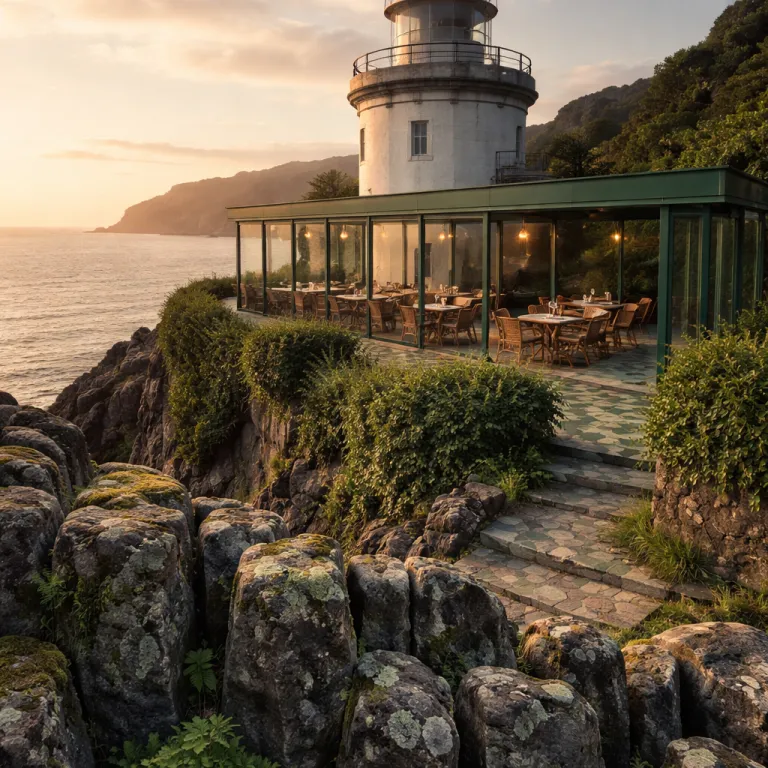
From lighthouse to dining room: how adaptive reuse sets the tone
On Madeira’s eastern tip, a former lighthouse now hosts Nouvelle Brasserie at Dreams Madeira, and the shift from beacon to dining room signals a wider architectural story. This is where the conversation about design hotels Madeira really starts, because adaptive reuse on the island is not a design gimmick but a strategy for preserving character while meeting contemporary expectations. When you plan your hotel booking, that lighthouse restaurant becomes a litmus test for how seriously a property treats both heritage and hospitality.
Important note on facts: according to the official Dreams Madeira and Hyatt Inclusive Collection descriptions, the lighthouse building forms part of the resort’s dining offer, but detailed public records on the original construction date, architect of the conversion and full planning history remain limited. Independent architectural case studies and municipal archive material are not consistently available online, so any reading of the project here should be understood as an informed overview based on operator statements and reputable travel coverage rather than a fully sourced technical monograph.
The conversion follows a clear architectural transformation logic: historic structures are retained while modern circulation, lighting and materials are layered with restraint. This approach mirrors what the most interesting hotels Madeira are doing in Funchal and beyond, using methods such as adaptive reuse and contemporary design integration to keep the island’s built fabric alive. The result is that a stay in a design focused hotel on this Atlantic island feels less like checking into a generic star hotel and more like entering a curated chapter of Madeira’s cultural narrative.
Design Hotels, the global hotel group that curates unique, design focused hotels worldwide, has recognised this shift and now lists several properties in Madeira. Earlier versions of this guide referred to “5 hotels” based on a snapshot of the portfolio; because the Design Hotels collection changes over time, readers should always verify the current count directly on the official Design Hotels website rather than relying on a fixed number here.
Their selection criteria privilege architecture, interior design and a strong sense of place, which aligns perfectly with the island’s move from anonymous resorts to characterful hotels. When travellers search for design hotels Madeira, they are really asking which hotel turns cliffs, gardens and Atlantic light into part of the experience rather than just a backdrop.
One recurring question from guests is simple: what is a Design Hotel? The most accurate answer remains the official one: “A hotel emphasizing unique architecture and interior design.” That definition matters in Madeira, where the difference between a standard hotel with renovated rooms and a true design property is whether the building’s story is legible from the lobby to the pool terrace.
Price is another concern, especially for couples weighing a romantic escape against a longer island itinerary. The official guidance is refreshingly honest: “Prices vary; some are luxury, others mid-range.” On Madeira that translates into a spectrum from cliff edge retreats with a heated outdoor swimming pool to urban hotels in Funchal where the price per night stays accessible if you are willing to trade a full ocean view for a garden facing room.
To give a realistic frame of reference, recent spot checks on publicly listed rates for architecturally driven hotels Madeira in shoulder season (for example, mid May and late September searches conducted via official booking engines) show entry level double rooms in Funchal often starting around the low to mid three digit range per night, with suites, private pool access and peak summer dates pushing rates significantly higher. These figures are indicative only and fluctuate with demand, promotions and room type, so always cross check current prices on the hotel’s own booking engine or a trusted reservation platform.
Travellers also ask whether these hotels offer more than good looks and a photogenic swimming pool. The most relevant answer for Madeira is again explicit: “Do Design Hotels offer local experiences? Yes, many integrate local culture and activities.” On the island this often means levada walks arranged directly from the hotel, tastings of poncha in traditional bars a short minute walk away, or chef led visits to the farmers’ market in Madeira Funchal before an evening in the hotel’s own dining room.
In practice, the best way to check whether a property lives up to the design hotels Madeira promise is to look at how it treats thresholds. Notice the path from street to lobby, the way the garden is framed from the bar, and how the pool deck relates to the cliff or beach below. If every transition feels intentional rather than leftover from an older resort layout, you are likely in a hotel where architecture is driving the guest experience rather than merely housing it.
Quintas, manor houses and the new language of luxury
Madeira’s most compelling design narrative does not start in a glass tower but in the traditional quinta, the island’s version of a manor house set within terraced gardens. Unlike mainland Portuguese estates, a Madeira quinta usually clings to a slope, its garden stepping down towards the sea, which gives architects a dramatic canvas when converting these properties into contemporary hotels. For couples choosing between hotels Madeira, the question is whether to stay in a reimagined quinta or a purpose built star hotel on the waterfront.
Quinta da Casa Branca in Funchal is the reference point, a refined hotel set within botanical gardens where the original manor house coexists with low slung modern wings. Here the design hotels Madeira ethos is expressed through contrasts: basalt stone against glass, century old trees against sharp pool edges, and a minimalist spa pavilion tucked behind a riot of subtropical planting. The quinta Casa Branca itself now hosts some of the most atmospheric rooms on the island, with polished wood, high ceilings and views over the garden rather than the beach.
Typical room categories here range from Garden Rooms in the contemporary wings to Manor House Suites in the historic building, with the latter often commanding higher nightly rates thanks to their scale and period details. Based on publicly available rate examples on the hotel’s own site and major booking platforms, Garden Rooms can start in the lower three digit range in quieter months, while suites in the manor house and peak season dates rise substantially; always confirm current prices and inclusions directly with the hotel before booking.
Elsewhere on the island, smaller quintas and manor houses in areas such as Estreito da Calheta or Ponta do Sol are being converted into intimate hotels with a strong sense of place. In Ponta do Sol, for example, a former family estate now offers a handful of rooms where the original dining room has been preserved, while a new outdoor swimming pool has been carved into the cliff above the village. These properties may not always carry a formal Design Hotels label, but they operate in the same design hotels Madeira space by prioritising architecture, landscape and local materials.
Adaptive reuse is not just about aesthetics; it is also about sustainability and experiential travel. Preserving a manor house or quinta reduces the environmental cost of new construction and keeps local craftsmanship visible, from hand painted tiles to carved doors that frame the transition from lobby to garden. For travellers, this means that a minute walk from their room can take them from a contemporary pool deck to a shaded terrace where the island’s agricultural past is still tangible.
Pricing in these properties varies widely, and the price per night often reflects the balance between heritage and amenities. A quinta with only a small swimming pool and no direct beach access may sit below the rates of a full service star hotel, yet the architectural character can make it feel more luxurious. When you check availability, pay attention not only to the nightly rate but also to what the building itself offers in terms of atmosphere, privacy and views.
For couples who value design as much as service, the tension between old stone and new glass becomes part of the romance. A room in a restored manor house in Madeira Funchal, with creaking floorboards and a balcony over a terraced garden, tells a different story from a sleek suite in a clifftop resort with a vast infinity pool. Both belong to the broader design hotels Madeira conversation, but they answer different versions of what luxury on this island should feel like.
If you are considering an all inclusive stay, look carefully at how the architecture supports or undermines that model. Some properties, such as contemporary resorts in Estreito da Calheta or Ponta do Sol, manage to combine a generous all inclusive offers structure with thoughtful design, avoiding the anonymous feel of many large hotels. As one general manager of a coastal resort put it in a recent interview with a Portuguese travel magazine, “Guests notice when the building tells a story that matches the landscape.” For a deeper look at how this plays out across the island, the guide to all inclusive Madeira escapes for refined island stays provides a useful architectural lens as well as practical booking advice.
Savoy Palace, Cliff Bay and the rise of contemporary icons
In historic Funchal, the Savoy Palace stands as the clearest statement of contemporary design in a dense urban context. This star hotel, part of the Savoy Signature portfolio, rises behind the seafront with a sculpted façade that filters Atlantic light into layered terraces, pools and gardens. For many travellers searching for design hotels Madeira, the Savoy Palace is the benchmark for how a large scale hotel can still feel architecturally intentional.
The interiors, shaped with input from renowned Madeira designer Nini Andrade Silva, use a palette of deep greens, metallics and organic forms that echo the island’s laurel forests and volcanic cliffs. Public spaces flow into each other, from the lobby to the main swimming pool deck, with framed views of the harbour and the old town of Madeira Funchal beyond. When you check availability here, you are not just choosing between room categories but between different relationships to the city and the sea, from garden level terraces to rooftop suites with private pool access.
Typical room types at Savoy Palace range from Avenue Rooms without full sea views to Ocean Suites and rooftop pool suites with expansive terraces. Publicly listed sample rates on the hotel’s website and major booking engines show that entry level rooms can start in the mid three digit range per night in low season, while premium suites with private pools or club access can reach several times that figure in high season; these examples are indicative only and should always be verified against the hotel’s current offers.
Nearby, The Cliff Bay by PortoBay offers a contrasting expression of the design hotels Madeira ethos. Built on a natural promontory, this hotel uses its cliff edge site to stage a sequence of experiences, from a quiet garden at street level to a dramatic outdoor swimming platform at the base of the rock. Les Suites at The Cliff Bay, opened as a more recent addition, refine this further with larger rooms, contemporary interiors and a stronger focus on privacy for couples seeking a romantic island stay.
Earlier versions of this article mentioned 2019 as the opening year for Les Suites at The Cliff Bay and 2009 for The Vine Hotel in Funchal. These dates align with information published by the PortoBay and The Vine Hotel groups in their official materials and are widely echoed in established travel media; readers who need precise historical data should confirm them directly with the hotels or their corporate communications teams, as only they can provide definitive opening timelines.
These properties belong to the Leading Hotels of the World network, which reinforces their status among international travellers who use that label as a shorthand for service and design standards. Yet what makes them truly interesting in the Madeira context is how they negotiate the tension between resort scale and local texture. A minute walk from the Savoy Palace, for example, can take you from a high rise pool terrace to a narrow Funchal street lined with traditional casas and small cafés.
Price per night at these flagship hotels can be high in peak seasons, especially for rooms with full ocean views or direct access to premium pool areas. Couples with a mid to high budget should check a range of dates and room types, as shoulder season offers often bring the Savoy Palace or The Cliff Bay within reach. When you plan your booking, remember that the architectural quality of shared spaces, from the lobby to the spa, can matter as much as the square metres of your room.
For travellers who want a curated overview of where these properties sit within the broader island offer, the dedicated guide to Madeira hotels for refined stays across the Atlantic archipelago is a useful starting point. It places the Savoy Palace, The Cliff Bay and other design forward hotels Madeira in context, comparing them with smaller quintas and emerging resorts in areas such as Estreito da Calheta or Ponta do Sol. This helps couples align their architectural preferences with the practicalities of location, access to levada walks and proximity to restaurants.
As more international brands look at Madeira, the lesson from these contemporary icons is clear. Scale alone does not define luxury; what matters is how a hotel’s architecture frames the island’s natural drama, from the curve of a pool edge over a cliff to the way a dining room opens towards the harbour at sunset. In that sense, the most successful design hotels Madeira are not competing with each other as much as they are collaborating in rewriting what a star hotel on this island can be.
Beyond the room: how architecture shapes the island stay
For design conscious couples, the real test of a hotel in Madeira lies beyond the rooms themselves. Architecture shapes how you move through the day, from the first coffee on a balcony in Funchal to a late swim in a heated pool after a levada hike. The best design hotels Madeira understand this and choreograph the guest journey with the same care they give to fabrics and furniture.
Take the way many hotels Madeira now integrate gardens and outdoor spaces into their layouts. At Quinta da Casa Branca, paths wind through a botanical garden before reaching the main pool, so that a simple walk to breakfast becomes a slow immersion in the island’s flora. In newer resorts near Estreito da Calheta or Ponta do Sol, architects are carving terraces into the hillside, creating layered pool decks and quiet corners where the only sound is the Atlantic below.
Even in urban Madeira Funchal, thoughtful design can make a hotel feel connected to the island’s wilder side. Some properties orient their swimming pool and sun decks towards the mountains rather than the harbour, framing the start of popular hiking routes and levada walks. If you are planning to combine a refined stay with serious walking, the guide to Madeira hiking trails for luxury travellers shows how architecture, location and trail access intersect across the island.
Inside, the dining room has become another stage for architectural experimentation. In the converted lighthouse at Dreams Madeira, the circular plan and narrow windows create a sense of intimacy, with the Atlantic always present but never overwhelming. In Funchal’s design forward hotels, double height dining spaces and carefully framed views turn breakfast into a daily reminder that you are on an island where cliffs, gardens and sea are in constant dialogue.
One frequent on site observation from design minded guests is that “the best hotels here feel like a sequence of small discoveries rather than a single big statement.” That comment captures why circulation, sightlines and micro spaces matter as much as headline features like infinity pools or rooftop bars.
Practicalities still matter, and this is where design must meet function. When you check availability, look beyond glossy images and ask how far the hotel really sits from the sea, the old town or the nearest levada trail; a claimed minute walk can feel very different on a steep hillside. Pay attention to how the hotel describes its pool facilities, whether it is a single outdoor swimming pool, a series of tiered pools or a combination of indoor and outdoor options for cooler days.
For couples comparing price per night across several hotels Madeira, architecture can be a useful filter. A slightly higher rate at a hotel with a well considered garden, multiple pools and generous public spaces may deliver better value than a cheaper option where you end up spending most of your time in a cramped room. In the context of design hotels Madeira, you are not just paying for a bed but for the way the building and its surroundings shape every hour of your stay on the island.
Key figures shaping Madeira’s design hotel landscape
- There are currently several hotels in Madeira listed within the Design Hotels portfolio, according to the group’s official data. Because the collection is curated and updated regularly, readers should consult the Design Hotels website directly for the most accurate, up to date count rather than relying on a fixed number in any static guide.
- The transformation of historic structures into design focused hotels on Madeira accelerated in the early 21st century, with milestones such as the opening of The Vine Hotel in 2009 and Les Suites at The Cliff Bay in 2019 cited by the hotels themselves in official communications and by established travel media as markers of a shift towards contemporary architecture in Funchal.
- Adaptive reuse projects, including quintas and the lighthouse conversion at Dreams Madeira, contribute to sustainable tourism by reducing the need for new construction, aligning with global trends where experiential travel and heritage preservation are key drivers of demand. Where precise environmental impact figures are required, travellers should refer to each hotel’s own sustainability reports or certifications, as independent, island wide data is still evolving.