Eco hotels in Madeira for travelers who care what happens after the towel card
On Madeira island, the phrase eco hotels Madeira now sits on almost every glossy brochure. Luxury travelers flying into Funchal from mainland Portugal or beyond are met with a wall of green claims, yet only a handful of hotels have built sustainability into their foundations rather than their marketing. The gap between a polite note about reusing your room towels and a property powered by renewable energy is where your booking choices start to matter.
The island has just five officially eco certified hotels, a tiny number compared with the hundreds of hotels Madeira promotes to international guests. That mismatch is the first red flag in a landscape where sustainability is often reduced to low energy lightbulbs and vague environmental promises. When you read that "Percentage of travelers seeking sustainable accommodations" has reached 78 % and that the "Number of eco-certified hotels in Madeira" is still only 5 hotels, you understand why greenwashing has become such a profitable strategy. Those headline figures come from recent surveys by Booking.com and similar global reports, and can be cross-checked against public Green Key and EU Ecolabel databases listing Madeira properties.
Real eco friendly hospitality on Madeira Portugal means more than planting a few trees near a hotel Funchal infinity pool. It means transparent reporting on energy use, water treatment, cleaning products and waste, ideally backed by third party audits and labels such as Green Key or the EU Ecolabel. It also means accepting the carbon paradox of flying to an island and then doing the work to reduce every other environmental impact once the guest arrives, something you can verify by reading sustainability reports that publish annual kWh from renewables, water reuse volumes and waste diversion rates.
Think of the spectrum this way. At one end, you have a hotel on the south coast that adds a recycled paper card in each room and calls itself green, while continuing to over irrigate lawns and run inefficient air conditioning systems. At the other end, you find places like Sentido Galomar, the first 100 % energy self sufficient hotel in Madeira according to its audited environmental statement, or the permaculture focused Casas da Levada in the northwest, where sustainability shapes every design decision from bioconstruction to biological water treatment and is documented in publicly available environmental certifications.
For a solo explorer choosing between hotels Madeira wide, the task is to read between the lines. Ask how much energy the property generates on site, how it manages wastewater, and whether it supports local food systems rather than importing everything from mainland Portugal. The more specific the answers, the more likely you are looking at a genuinely eco friendly hotel rather than a marketing exercise wrapped in green language, and you can always cross reference those claims with certification databases or municipal environmental reports.
From towel cards to permaculture: reading the greenwashing spectrum
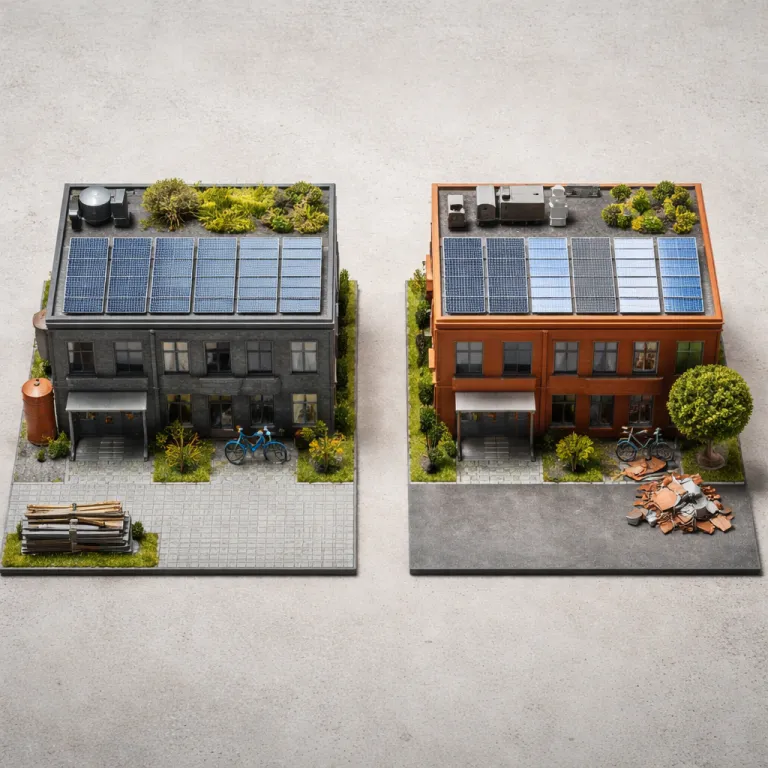
Most marketing around eco hotels in Madeira starts with the bathroom. You know the script already, a gentle reminder in your room that reusing towels helps the island and keeps hotels sustainable, often paired with a leaf icon and a promise of being environmentally friendly. That gesture is fine, but it is also the bare minimum and tells you almost nothing about how the hotel manages energy, water or waste beyond the laundry.
Greenwashing in the hotel industry has a clear definition. As one expert summary puts it, "What is greenwashing in the hotel industry?" and the answer is "Misleading claims about environmental practices to appear eco-friendly." When you see a hotel in Funchal or Santa Cruz using words like eco, green and sustainable without any mention of Green Key certification, renewable energy systems or specific environmental projects, you are likely looking at the softer end of that spectrum. Independent watchdogs and academic studies on sustainable tourism repeatedly warn that unsourced claims and missing metrics are classic warning signs.
Authentic eco hotels Madeira wide tend to talk less about slogans and more about infrastructure. They will tell you how many solar panels sit on the roof, how their low energy systems reduce overall consumption, and which biodegradable cleaning products they use in guest rooms and public areas. They will also be clear about trade offs, such as balancing air conditioning comfort in each private room with smart sensors and natural ventilation to avoid wasting energy when guests are out exploring tours Madeira or swimming in Porto Moniz, often backing this up with figures such as percentage of total energy from on site generation or litres of water saved per guest night.
Casas da Levada, often shortened to Casas Levada in local conversation, is a textbook example of what happens when sustainability leads the design rather than follows it. Six stone villas sit in terraced gardens fed by rainwater harvesting, with bioconstruction techniques that keep each room naturally cool and reduce the need for mechanical air conditioning. Here, permaculture is not a buzzword but a working system, with organic gardens supplying local produce for breakfast and a biological water treatment plant quietly cleaning greywater behind the scenes, a setup described in detail in the property’s own environmental charter.
On the south western coast, Socalco Nature in Calheta takes a similar stance, blending contemporary architecture with agricultural terraces that have shaped Madeira island for centuries. The hotel uses solar panels and other renewable energy sources to cut its footprint, while encouraging guests to walk the levadas rather than rely on constant car transfers. If you want to understand how serious a property is, ask to view details of its sustainability report or environmental audits rather than just reading the brochure, and check whether those documents quote concrete metrics such as annual CO2 savings or percentage of organic ingredients in the kitchen.
For travelers worried about overtourism and trail erosion, the island government’s small trail fee and access controls are part of the same conversation. A detailed analysis of whether a modest levy can protect levadas and peaks is explored in this piece on a EUR 3 trail fee and sustainable hiking management. The more the destination invests in protecting nature, the more pressure there is on every hotel, from Santa Maria to Porto Moniz, to match that ambition with genuine sustainable practices rather than symbolic gestures.
Inside the pioneers: Sentido Galomar, Casas da Levada and Socalco Nature
To understand the real thing behind the phrase eco hotels Madeira, you need to walk the properties that have gone all in. Sentido Galomar and its sister Sentido Galosol sit above the Garajau Marine Nature Reserve, a protected stretch of Atlantic where parrotfish and groupers glide through clear water below the cliffs. Here, sustainability is not a side project but the operating system, from energy generation to guest activities.
Sentido Galomar is widely recognized as the first 100 % energy self sufficient hotel on Madeira island, a milestone that matters in a region still heavily reliant on imported fuels. Photovoltaic solar panels and other renewable energy systems power everything from the spa to the lifts, while heat recovery units and low energy lighting squeeze more value from every kilowatt. For guests, the experience feels seamless, yet every swim in the saltwater pool or session in the gym is backed by an invisible network of environmental engineering, documented in the hotel’s environmental declaration and Green Key style reporting.
Down in the rooms, you will notice details that separate genuine eco friendly design from marketing gloss. Smart air conditioning controls prevent cooling empty spaces, while large windows and shading devices use natural light and Atlantic breezes to keep each private room comfortable. Cleaning products are chosen for low toxicity and biodegradability, protecting both staff and the marine reserve below, a critical step when wastewater eventually reaches the ocean around Madeira Portugal, and one that is often referenced in supplier safety data sheets and hotel sustainability fact sheets.
On the opposite side of the island, Casas da Levada offers a different expression of sustainability rooted in rural life. The six stone houses, often referred to collectively as Casas Levada, were restored using bioconstruction techniques that respect traditional architecture while improving insulation and energy performance. Rainwater harvesting tanks feed irrigation systems, solar panels support low energy operations, and a biological water treatment plant ensures that what leaves the property is as clean as what arrives from the levada above, a closed loop approach described in regional eco tourism case studies.
Guests here move at a different rhythm, drifting between the natural pool, the organic gardens and levada paths that thread through laurel forest. It is family friendly without feeling generic, with space for a solo guest to read under a fruit tree while children learn where their food comes from. The emphasis on local materials, local food and local labour turns sustainability into a community project rather than a branding exercise, something you feel when the owner explains how permaculture shapes the daily work and how many kilograms of produce the gardens supply each season.
Socalco Nature in Calheta completes this triangle of serious eco hotels Madeira travelers should know. Built into old agricultural terraces, the hotel uses architecture to frame views of the ocean and vineyards while minimising earthworks and preserving existing stone walls. Guests can join tours Madeira style through the surrounding nature, tasting wines and produce grown on site, then return to a room powered by renewable energy and cooled by a mix of natural ventilation and efficient systems, with the property’s own sustainability summary outlining annual energy consumption and the share covered by on site generation.
These properties also intersect with a broader shift in how Madeira manages its most fragile landscapes. Stricter access rules and mandatory bookings for certain trails, explored in depth in this analysis of Madeira’s quiet trail revolution, signal a move towards carrying capacity rather than unlimited growth. The hotels leading on sustainability tend to support these measures, understanding that their long term appeal depends on healthy ecosystems, not just full occupancy.
How to book smarter: certifications, carbon paradox and the next wave
For a solo explorer scrolling through eco hotels Madeira search results, the challenge is cutting through the noise. Certification is your first filter, because labels such as Green Key and the EU Ecolabel require audited proof of environmental performance rather than self declared promises. When you see a hotel in Funchal, Santa Cruz or Porto Moniz proudly listing Green Key status, you know someone has checked the numbers behind the narrative, usually through annual audits and published criteria that you can read in public certification registers.
Yet certification is not the whole story, especially on an island where only a handful of hotels currently meet those standards. The government’s UPGRADE program, which includes environmental preservation for six protected areas, signals a tightening of expectations that will eventually ripple through every hotel category. As scrutiny of greenwashing grows and eco certification standards advance, the gap between a genuinely sustainable hotel and a marketing heavy property will become harder to hide, particularly as regional tourism strategies and climate plans start to quote concrete targets for energy efficiency and emissions.
There is also the carbon paradox to confront honestly. Flying to Madeira Portugal carries an unavoidable footprint, particularly for guests arriving from northern Europe or beyond, and no amount of low energy lighting will erase that. What you can do is treat the flight as a sunk cost and then choose hotels Madeira wide that run on renewable energy, support local supply chains and minimise waste, turning the rest of your stay into a case study in responsible travel rather than a guilt trip, and using published carbon calculators or hotel emissions data where available to compare options.
When evaluating options, move beyond the headline and ask precise questions. How much of the hotel’s total energy use comes from renewable energy such as solar panels or heat pumps, and how is air conditioning managed to avoid cooling empty rooms. Which cleaning products are used in guest rooms and laundry, and are they certified for low environmental impact, especially in coastal areas where wastewater can affect marine life. Answers that include percentages, annual kWh figures or references to independent audits are more reliable than vague assurances.
Look at how the property relates to its immediate surroundings, whether that is the old streets of Santa Maria in Funchal, the cliffs above Porto or the agricultural terraces around Calheta. A truly eco friendly hotel will talk about supporting local farmers, hiring local staff and offering tours Madeira style that respect carrying capacity rather than chasing volume. It will also be transparent about any private transfers, encouraging guests to use public transport or shared shuttles where possible to reduce traffic on narrow island roads, and may even publish mobility plans or transport impact assessments.
For those planning a longer stay or a special trip, sustainability can sit comfortably alongside romance and comfort. A detailed guide to a honeymoon hotel in Madeira with luxury escapes shows how properties can blend spa rituals, sea views and responsible operations without compromise. The same logic applies whether you are a solo guest chasing levada sunrises or a family friendly group seeking a pool and kids club, because sustainability is now part of what defines true luxury on this island.
As demand grows, with more than three quarters of travelers seeking sustainable options, your questions become a form of quiet pressure. "How can I identify genuine eco-hotels?" is answered simply in the expert guidance that says, "Look for credible certifications and transparent sustainability reports." When you apply that filter to every hotel Funchal skyline icon and every rural casa ribeiro style guesthouse, you help shift the market away from greenwashing and towards the real work of protecting Madeira’s nature for the next generation of travelers.
Key figures shaping sustainable hospitality on Madeira
- Approximately 78 % of travelers now say they actively seek sustainable accommodations, a figure that explains why eco and green language appears so often in hotel marketing across Madeira island (data reported by L’Itinéraire and Booking.com’s annual Sustainable Travel Report, providing global context for responsible travel demand).
- Only 5 hotels in Madeira currently hold recognized eco certifications such as Green Key or equivalent, a tiny fraction of the total hotels Madeira promotes internationally (data compiled by Cooltour Oporto and cross checked against public Green Key and EU Ecolabel lists, highlighting the gap between marketing and verified practice).
- The island’s UPGRADE program focuses on environmental preservation across six protected areas, signalling that future licensing and investment for hotels in Funchal, Santa Cruz, Porto Moniz and beyond will increasingly depend on measurable sustainability performance rather than voluntary gestures, as outlined in regional development and tourism strategy documents.
- On site inspections, third party certification databases and structured sustainability assessment frameworks are now standard tools used by tourism boards and local environmental NGOs to evaluate eco hotels Madeira wide, increasing transparency and reducing the space for unchecked greenwashing, with many of these tools publishing summary results or criteria online.
- Blockchain based reporting pilots are being explored to track energy use, water consumption and waste in real time for selected eco hotels in Madeira Portugal, a technological shift mentioned in smart tourism and destination management studies that could make it easier for guests to view details of a property’s environmental performance before booking.