Reading the island vertically: why altitude shapes every glass
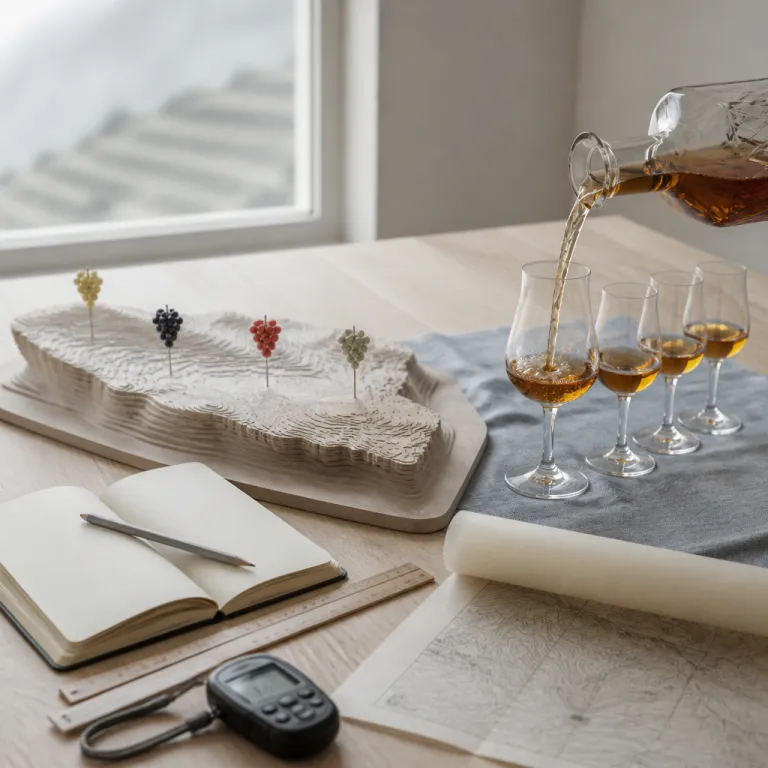
Stand on a hotel balcony in Funchal and you can literally trace the classic Madeira wine grapes — Sercial, Verdelho, Bual and Malvasia (Malmsey) — up the mountain slopes with your eyes. From sea level to more than 800 metres, the island of Madeira rises in sharp volcanic folds, and each noble variety tends to occupy its own altitude band with a distinct wine style and taste. Understanding this vertical map turns a simple glass of fortified wine into a guide to the island’s geography and helps you choose hotels and wine programmes that match your palate.
At the highest terraces, often between about 600 and 800 metres above sea level, the white grape Sercial ripens slowly in cool air and Atlantic winds, giving bone dry wines with piercing acidity that work beautifully as an aperitif in a clifftop bar. Slightly lower, typically between 400 and 600 metres, Verdelho vines occupy medium high slopes where basalt soils and levada irrigation keep growth balanced, producing medium dry wines with spice notes that pair well with grilled limpets or black scabbard fish. As you descend toward the coast, especially around Estreito de Câmara de Lobos and other south coast villages, Bual and Malvasia thrive in warmer pockets, yielding medium sweet and fully sweet wines that feel almost like liquid dessert.
For luxury travellers, this altitude logic is more than a viticulture curiosity; it is a practical tool when reading hotel wine lists or booking sommelier-led tastings focused on Madeira’s fortified styles. Ask which grape varieties come from which elevations and you will hear how volcanic basalt, Atlantic exposure and years of cask ageing combine to create different expressions in one compact territory. When a sommelier explains that higher altitudes yield grapes with higher acidity, influencing wine style, you can map that comment directly onto the slopes you crossed on the drive from the airport or onto a simple altitude diagram in a tasting booklet.
From sercial to malmsey: tasting altitude in your hotel glass
Once you understand the vertical layout of the island, the traditional sequence of Sercial, Verdelho, Bual and Malmsey becomes a tasting itinerary rather than a technical list. Start with Sercial, the driest noble grape variety, often served chilled as a welcome drink in refined hotel lounges, where its citrus edge and saline finish echo the Atlantic just beyond the terrace. These dry wines usually come from white grape parcels at higher elevations, and their quality shines when you pair them with simple almonds, olives or a plate of local queijo fresco.
Verdelho sits one step down the slope and one notch richer in style, giving medium dry wines with subtle spice and smoke that many chefs on the island now match with creative seafood menus. In several luxury properties, sommelier guides design tasting flights that move from Verdelho to Bual, showing how the sweetness level shifts from medium dry to medium sweet while the volcanic character remains constant. Bual, grown on medium low slopes, often near traditional villages and coastal viewpoints, brings caramel, fig and toasted nut notes that work beautifully with poncha, espetada and passion fruit focused dining experiences when the kitchen leans into smoke and char.
At the lowest altitudes, often almost at sea level in pockets near Câmara de Lobos, Malvasia or Malmsey grapes reach full ripeness and give the sweetest wines on the island. These rich dessert styles are the ones most travellers associate with the end of a meal, yet in the right hotel bar they also appear in rare wine flights that include single vintage bottles and special reserve selections from producers such as Blandy’s, Henriques & Henriques or Vinhos Barbeito. When a sommelier pours several Madeira wines side by side, from Sercial through Verdelho and Bual to Malmsey, you are effectively tasting a vertical cross section of the island in one carefully curated series.
Volcanic terroir, historic series and the magic of ageing
The reason these classic Madeira grapes can age for decades lies in the island’s volcanic terroir and unique winemaking methods. Basalt soils force vines to dig deep, concentrating flavour in each grape and giving a structural backbone that supports long ageing in cask. Traditional techniques such as the estufagem heating process and the slower canteiro method mean that many Madeira wines are effectively cooked and oxidised on purpose, making them almost indestructible in bottle.
On a cellar tour in Funchal, especially at historic lodges, you will see barrels marked with vintage wine dates, grape varieties and cryptic notes about years of cask ageing. Labels might mention a historic series or “series Madeira”, indicating collections that trace wine milestones through different styles and grape variety combinations. Some houses offer flights that compare a three year blend, a five year bottle, a ten year special reserve and a single vintage wine, allowing you to feel how extra time in wood transforms both dry and sweet expressions.
Luxury hotels that take wine seriously often partner with these producers to host themed dinners, sometimes timed with gastronomic events such as the island’s celebrated Festival do Sal walking routes in Funchal. Menus might progress from a dry Sercial to a medium dry Verdelho, then to a medium sweet Bual and finally to a rich Malvasia, each course highlighting a different aspect of volcanic terroir. When you see a rare wine from a historic series on a hotel list, especially one based on Tinta Negra or the older Negra Mole plantings, you are looking at a liquid archive of Madeira’s agricultural past.
Where to stay for serious madeira wine programmes
Choosing the right hotel in Madeira can turn the island’s grape hierarchy from a curiosity into the organising theme of your stay. In Funchal, several luxury properties work closely with Blandy’s Wine Lodge and other producers to offer private tastings, guided visits and curated wine lists that go far beyond the usual three year blends. Ask specifically whether the hotel sommelier can arrange a visit to a working vineyard at different altitudes, not just a cellar tour, so you can feel the temperature shift between Sercial slopes and Malmsey terraces.
Properties perched above the capital often use their elevation to frame the story of grape varieties and altitude, pouring Sercial and Verdelho on panoramic terraces where you can see the vineyards that produced them. Down by the water, especially near Câmara de Lobos, some hotels highlight Bual and Malvasia from nearby parcels, sometimes including special reserve bottlings and single vintage selections that show off both sweetness and structure. When reading a wine list, look for clear sections that separate dry, medium dry, medium sweet and sweet styles of Madeira, ideally with notes on grape variety, vintage and years of cask ageing.
For travellers who want a deeper dive, a few properties now offer multi day wine-focused programmes that combine levada walks, vineyard visits and evening tastings centred on fortified wines from the island. These itineraries often include sessions on Tinta Negra, which the Instituto do Vinho, do Bordado e do Artesanato da Madeira (IVBAM) reports as accounting for roughly 80–85% of plantings in recent statistics, and on older Negra Mole plots, explaining how these workhorse grapes support the more famous noble varieties. If your hotel can arrange a tasting that sets Tinta Negra based blends alongside bottlings of Sercial, Verdelho, Bual and Malmsey, you will gain a nuanced sense of both quality tiers and stylistic variety.
Designing a wine led itinerary around the island
Planning a trip around Madeira’s vineyards is surprisingly easy once you think in altitude bands rather than in simple north versus south. Start in Funchal with a structured tasting at a historic lodge, where guides walk you through the differences between dry Sercial, medium dry Verdelho, medium sweet Bual and sweet Malvasia, often using examples from both noble grapes and Tinta Negra blends. From there, ask your hotel concierge to arrange a driver or private guide who understands vineyard access and can time visits with cellar opening hours.
A classic route runs west toward Estreito de Câmara de Lobos, the heartland of many noble grape plantings, where you can see terraced vineyards stacked above the village like a living amphitheatre. Here, basalt walls store heat during the day and release it at night, helping grapes such as Bual and Malmsey reach full ripeness while Sercial and Verdelho sit higher up in cooler plots. Some producers along this corridor offer tastings that include both vintage wine and younger series Madeira bottlings, giving you a sense of how minimum ageing requirements and years of cask maturation shape texture and flavour.
Back in Funchal, time your evenings so that hotel bar tastings flow naturally into cultural experiences, perhaps pairing a glass of rare wine with fireworks or live music viewed from a rooftop that doubles as an insider vantage point on Atlantic festival nights. Ask staff to recommend wines that match local dishes you have not tried yet, using grape variety and sweetness level as your compass rather than simple red versus white categories. By the end of a week built around Madeira wines, you will read every label as a compact story of altitude, terroir and human craft rather than just another bottle on a shelf.
FAQ
How does altitude affect Madeira wine styles ?
Higher altitudes on Madeira are cooler and windier, which slows ripening and preserves acidity in grapes such as Sercial and Verdelho. This leads to drier, fresher wines that work well as aperitifs or with lighter dishes in hotel restaurants. Lower, warmer sites near the coast favour Bual and Malvasia, producing richer, sweeter styles that many properties serve with dessert or cheese courses.
Which grape is most planted in Madeira and why does it matter for travellers ?
Tinta Negra is the most planted grape on the island, accounting for around four fifths of production in IVBAM’s vineyard statistics, and forming the backbone of many entry level blends. For travellers, this means that most by-the-glass options in casual hotel bars will likely be Tinta Negra based, while more specialised lists highlight noble grapes such as Sercial, Verdelho, Bual and Malmsey. Asking specifically for noble grape bottlings is a simple way to explore the full range of quality and style during your stay.
What is the difference between three year, five year and ten year Madeira wines ?
The age statement on a Madeira wine indicates the average time the blend has spent ageing in cask, not the age of a single vintage. Three year and five year bottlings tend to be more straightforward and fruit driven, often used in cocktails or casual pairings in hotel lounges. Ten year and older special reserve wines show greater complexity, with deeper nut, spice and caramel notes that reward slow sipping and focused tastings.
Why are Malvasia or Malmsey wines considered the sweetest on the island ?
Malvasia, also known as Malmsey, is typically grown at lower, warmer altitudes where grapes can reach high sugar levels before harvest. During vinification, fermentation is stopped earlier than for other varieties, leaving more residual sugar in the finished wine. The result is a rich, sweet style that many hotels pour with chocolate desserts, blue cheeses or simply as a contemplative nightcap overlooking the Atlantic.
Can I visit vineyards and cellars easily from Funchal hotels ?
Most luxury and premium hotels in Funchal can arrange private transfers or guided tours to nearby vineyards, especially in areas such as Estreito de Câmara de Lobos. Cellar visits in the city itself are straightforward, with several historic lodges offering daily tastings and in depth tours that explain ageing methods and grape varieties. For a fuller experience, ask your concierge to combine a levada walk, a vineyard stop at different altitudes and a structured tasting back in town.