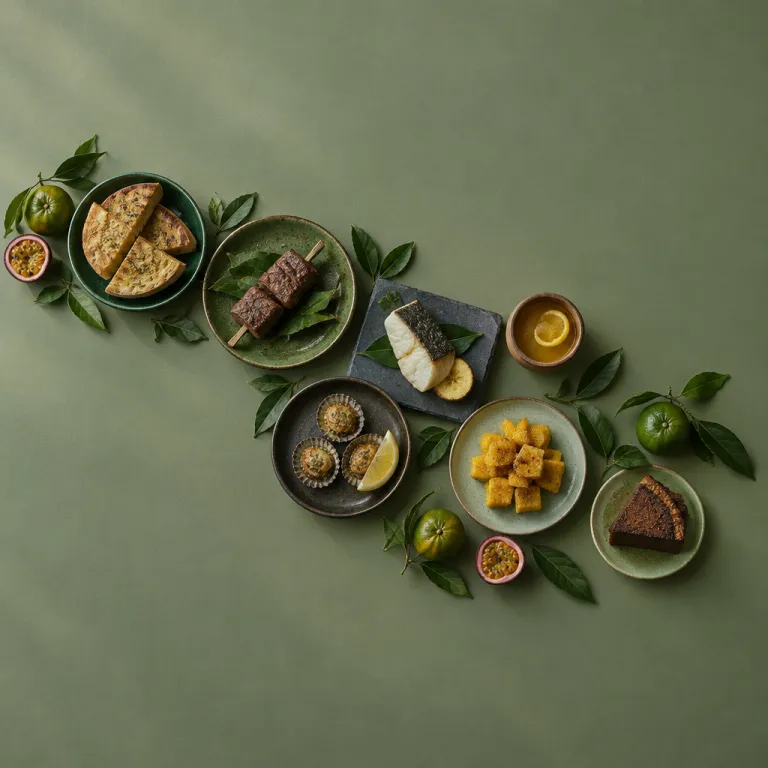
Why the madeira local food village restaurants guide starts outside Funchal
Luxury travelers often land in Funchal and never leave its comfort zone. Yet the real madeira local food village restaurants guide begins when you drive 30 to 60 minutes into the hills, where the island economy still turns on agriculture and fishing rather than tourism. On Madeira Island, the most memorable restaurants are often in villages where locals outnumber visitors at every table.
Think of this as a quiet rebellion against generic hotel food. In São Martinho, just beyond central Funchal Madeira, a family restaurant on a back rua might serve espada preto with milho frito that outclasses many so called best restaurants in town. These village restaurants work as a living guide to how Madeiran food culture actually functions day to day.
For guests booking high end stays, this matters more than you might expect. A serious madeira local food village restaurants guide helps you decide whether to choose a clifftop property near Funchal or a rural retreat closer to Camara de Lobos or Curral das Freiras. When you understand where the best village restaurant experiences are, you can find a hotel that keeps those meals within a short drive.
In Funchal itself, the restaurants on every central rua can feel polished yet slightly detached from the island’s agricultural rhythm. Drive twenty minutes inland and you reach villages where the restaurant owner also tends vines, presses Madeira wine and knows every fishing boat by name. This is where you taste why Madeira best food traditions still feel fiercely local and deeply seasonal.
Use Funchal as your logistical base, not your culinary boundary. Stay in a refined clifftop hotel, then treat this article as your working guide to the villages that shape Madeiran food identity. The goal is simple ; you eat where locals celebrate birthdays, not where cruise passengers queue for the same tuna steak every day.
From luxury hotel base to village table: how to plan your eating days
Start by choosing a hotel location that respects your appetite. If you want easy access to restaurants Funchal offers plus quick escapes to the fishing villages, staying in São Martinho or near the Lido area works very well. From there, you can reach Camara de Lobos, Curral das Freiras and the north coast within an hour, turning your room into a strategic base for a serious madeira local food village restaurants guide.
Many premium guests arrive from mainland Portugal or the United States on morning flights, which aligns perfectly with the island’s lunch focused rhythm. On Madeira Island, lunch is still the main meal for many locals, and village restaurants cook their best food between 12.30 and 15.00. Plan your levada walks or coastal drives so you roll into the right restaurant just as the peixe espada or tuna fillets leave the grill.
Reaching the island in style is straightforward when you think ahead. Before you even map out which restaurant or cafe to try first, read a detailed piece such as how to reach Madeira Portugal in style for a luxury island stay and align your arrival time with lunch in a village like Câmara de Lobos. That way, your first glass of Madeira wine or local craft beer happens with a plate of bolo do caco and grilled fish, not in an airport lounge.
Once checked in, treat taxis and rental cars as extensions of your hotel experience. Drivers know which rua in a parish hides a good restaurant and which places quietly serve the best sopa de trigo when the weather turns cooler. Ask them where they would order espada preto for their own family, then write those names into your personal madeira local food village restaurants guide.
Solo travelers in particular benefit from this structure. You can enjoy a refined breakfast in your hotel, spend the late morning on a levada or coastal viewpoint, then drop into a village restaurant for a long lunch before returning to Funchal for a nightcap. The rhythm feels indulgent yet efficient, and it respects how Madeiran food culture actually works.
Camara de Lobos to Curral das Freiras: where espetada still tastes like smoke and laurel
Camara de Lobos is where many luxury guests first understand that Madeira Island eats differently outside the capital. The fishing harbour sits just west of Funchal Madeira, yet the mood shifts from city to working village in a few hundred metres. Here, your madeira local food village restaurants guide should start with two essentials ; grilled fish by the water and espetada in the hills above.
Down by the bay, simple restaurants line the quay with plastic chairs and serious grills. Order espada preto or tuna steak with milho frito and a side of bolo do caco, then watch the fishing boats that supplied your lunch. The food is not fussy, but the combination of Atlantic fish, garlic bread and cold craft beer or chilled white Madeira wine feels like the island on a plate.
Drive or take a taxi up from Camara de Lobos into the eucalyptus scented hills and the menu changes. Here, the best restaurants specialise in espetada, the Madeiran skewers of beef grilled over wood embers and served with more milho frito and salads grown in nearby terraces. Many of these places are still family run, and you will often find locals celebrating birthdays at long tables while visitors quietly consult their guide notes.
Continue inland and the road winds towards Curral das Freiras, also known as the Nuns’ Valley. In this dramatic bowl of mountains, chestnuts shape the food calendar, from soups to cakes and seasonal dishes that rarely appear in central restaurants Funchal promotes to tourists. When you eat sopa de trigo or a chestnut stew here, you understand why a parish level approach to Madeira best food experiences beats any generic island wide list.
Wine lovers should pay attention to how these villages connect to the island’s viticultural story. Many hotel wine lists now highlight producers whose vineyards climb the slopes above Camara de Lobos or Curral das Freiras, and some properties have evolved from traditional quintas into refined places to stay. For a deeper sense of how these estates influence both accommodation and dining, read a piece such as how Madeira’s wine estates became the island’s most interesting hotels and then visit a producer before dinner.
North coast and Porto da Cruz: where the Atlantic writes the menu
The north and northeast coasts feel like a different island entirely. Once you leave Funchal and São Martinho behind, the road clings to cliffs, tunnels punch through rock and small parishes appear suddenly between ravines. For anyone building a serious madeira local food village restaurants guide, this coastline is where the Atlantic takes over the menu.
Porto da Cruz is a perfect example of how food, landscape and history intersect. The village sits beneath the Penha d’Águia rock, with black sand beaches and an old sugar mill that now produces rum, and its restaurants lean heavily on grilled fish, limpets and hearty soups. Order tuna or espada preto with local potatoes, then finish with a glass of Madeira wine or a simple poncha while watching surfers tackle the Atlantic swell.
Further along the north coast, small villages such as São Vicente and Seixal offer a handful of restaurants where the daily catch still dictates the blackboard. You might find lapas, octopus or more humble fish that never reach the polished restaurants Funchal promotes in hotel brochures. The food is straightforward and good, and the atmosphere feels closer to mainland Portugal fishing towns than to a resort island.
In these parishes, English may be limited and menus often appear handwritten. That is part of the charm, and it is why a madeira local food village restaurants guide should prepare you to point, smile and trust the kitchen. Ask which fish is best that day, order a carafe of house wine and accept that the timing follows the rhythm of the grill, not the clock.
For luxury travelers, the trick is to align these lunches with scenic drives and levada walks. Stay in a high end hotel in Funchal Madeira, then dedicate one full day to the north coast, with a long lunch in Porto da Cruz or São Vicente as the centrepiece. You return to your room salt sprayed and satisfied, with a deeper sense of how the island actually eats.
Funchal, São Martinho and Rua da Carreira: reading the capital through its tables
While this article champions the villages, Funchal still deserves a careful reading. The capital is where many visitors first taste Madeiran food, and a thoughtful madeira local food village restaurants guide must explain how to navigate its streets. Think of the city as your training ground before you head into the parishes.
Central streets such as Rua da Carreira and Rua de Santa Maria host a dense mix of restaurants, cafes and wine bars. Some lean heavily on tourist menus, while others quietly serve locals with daily specials of peixe espada, tuna and sopa de trigo that feel far more authentic. Your job is to find the places where Madeiran families eat midweek, not just the restaurants Funchal advertises on hotel flyers.
São Martinho, west of the old town, offers a slightly different mood. Here, residential towers and luxury hotels sit beside small restaurants where the owner might also run a mini market or tend vines on weekends. A place like Martinho Funchal, for example, can serve as both neighbourhood hub and informal guide to what is in season on Madeira Island, from limpets to passion fruit.
High end properties in the city increasingly understand that guests want this connection. Some concierges now keep their own handwritten madeira local food village restaurants guide, pointing you towards a cafe on a quiet rua for bolo do caco and coffee, or to a family restaurant for espetada after a levada walk. When a hotel recommends a spot where their own staff eat, you know you are on the right track.
If you prefer to stay within walking distance of both the harbour and serious dining, consider a refined clifftop address. An in depth review such as a refined guide to Madeira’s clifftop icon in Funchal shows how a luxury hotel can act as both sanctuary and launchpad for your culinary explorations. From such a base, you can enjoy polished hotel restaurants at night while dedicating your days to village tables.
What to order where: from bolo do caco to vegetarian vegan plates
A useful madeira local food village restaurants guide does more than list addresses. It tells you what to order in each parish, and why certain dishes taste better in specific corners of the island. Start with the fundamentals, then layer in regional specialities as you travel.
Along the south coast, especially between Funchal and Camara de Lobos, focus on espada preto with banana, tuna steaks and grilled limpets. These fish dishes pair naturally with milho frito, the golden fried cornmeal cubes that appear on almost every Madeiran table, and with warm bolo do caco brushed with garlic butter. Order a glass of dry Madeira wine as an aperitif, then switch to a crisp white from mainland Portugal or a local craft beer with your main course.
In the interior, particularly around Curral das Freiras and other high valleys, soups and stews come into their own. Sopa de trigo, a wheat and vegetable soup, feels especially good after a levada walk or a misty morning drive, and many village restaurants serve it alongside simple grilled meat or sausages. Here, you drink more robust table wine and finish with a sweet Madeira wine or chestnut dessert when in season.
Vegetarian vegan travelers sometimes worry about options on a fish and meat focused island. The reality is that many village restaurants cook a wide range of vegetable dishes, from tomato rice to stewed beans and salads built from whatever the garden offers that week. You may not always find a dedicated vegetarian vegan menu, but you can usually assemble a good meal from side dishes, soups and bread, especially if you explain your preferences patiently.
In Funchal and São Martinho, the offer broadens further. Some of the best restaurants now list clearly marked vegetarian vegan plates, often inspired by mainland Portugal trends but grounded in local produce. Use the city to balance your diet, then return to the villages for the fish and meat dishes that define Madeiran food identity.
How village dining is changing – and how to eat responsibly
Social media has turned once quiet village restaurants into minor celebrities. A single viral post about espetada in the hills above Camara de Lobos can fill a dining room with visitors who have never heard of Curral das Freiras or the agricultural cycle that feeds it. A thoughtful madeira local food village restaurants guide must address how this attention is reshaping the island’s dining culture.
On the positive side, increased demand helps family restaurants invest in better equipment, hire staff and keep younger generations interested in staying on Madeira Island. Menus become slightly more polished, wine lists expand beyond basic table wine and some places even add craft beer from local producers. Yet the best restaurants manage this evolution while keeping their core ; seasonal food, local suppliers and a room where locals still feel at home.
For luxury travelers, the responsibility is clear. Book ahead when possible, arrive on time and respect that many village restaurants still operate with small teams and limited English. Accept that service may feel slower than in Funchal, and remember that you are stepping into a community space, not just another stop on a tasting tour.
Seasonality remains the quiet force that keeps these places honest. Tuna has its time, certain coastal fish appear only when conditions allow and fruit based desserts follow the harvest calendar, just as in mainland Portugal’s rural regions. When a restaurant tells you that a dish is finished for the day, take it as a sign that they are cooking for real, not for Instagram.
As you build your own madeira local food village restaurants guide, keep notes not only on what you ate, but on how each parish felt. Which rua filled with neighbours at sunset, which cafe owner remembered your order, which restaurant balanced visitors and locals particularly well. Those details will shape where you stay on your next trip, and which hotels you choose as partners in your ongoing education in Madeiran food.
Key figures that frame Madeira’s parish level food culture
- Madeira Island receives more than one million visitors annually, yet the resident population remains under 300 000, which means village restaurants still cook primarily for locals rather than tourists in many parishes (data from Turismo de Portugal).
- Funchal concentrates roughly one third of the island’s inhabitants, so two thirds live in smaller municipalities and parishes where agriculture and fishing strongly influence daily food habits (Instituto Nacional de Estatística population data).
- Official statistics show that fish consumption in Madeira consistently ranks among the highest in Portugal per capita, reflecting the central role of tuna, espada preto and other Atlantic species in village restaurant menus (Portuguese Directorate General for Fisheries).
- Madeira wine exports account for a significant share of the island’s agri food economy, with key markets including mainland Portugal, the United States and northern Europe, which helps sustain small producers whose vineyards often surround rural restaurants (Instituto do Vinho, do Bordado e do Artesanato da Madeira).
- Levada and hiking tourism has grown steadily over the past decade, bringing more independent travelers into interior parishes such as Curral das Freiras and São Vicente, where village cafes and restaurants increasingly serve mixed local and visitor clientele at lunchtime (regional tourism reports).
FAQ about eating parish by parish across Madeira
Is it easy to reach village restaurants from luxury hotels in Funchal ?
Yes, most key food villages sit within a 30 to 60 minute drive from central Funchal or São Martinho. Taxis are widely available, and many drivers know specific restaurants by name and rua, while rental cars give you maximum flexibility for lunch focused itineraries.
Do village restaurants accept card payments or should I bring cash ?
In Funchal and larger towns, card payments are standard, but in smaller parishes some restaurants and cafes still prefer cash, especially for lower value bills. It is wise to carry some euros for rural lunches, even if your hotel and city restaurants accept cards without issue.
Can vegetarian vegan travelers eat well in Madeiran villages ?
While menus often focus on fish and meat, many village kitchens prepare generous vegetable sides, soups and salads using local produce. You may not always find a dedicated vegetarian vegan section, but by combining dishes such as sopa de trigo, beans, rice and grilled vegetables, you can usually assemble a satisfying meal.
When is the best time of day to eat in village restaurants ?
Lunch remains the main meal across much of Madeira Island, and village restaurants typically serve their freshest food between 12.30 and 15.00. Dinner service can be quieter and shorter, so planning your drives and levada walks around a long midday meal usually yields the best results.
Should I book village restaurants in advance or just walk in ?
For popular espetada houses near Camara de Lobos or well known spots in Curral das Freiras, reservations are recommended, especially on weekends and holidays. In more remote parishes, walk ins are often fine at lunchtime, but calling ahead from your hotel helps avoid arriving on a rare closed day or during a private event.