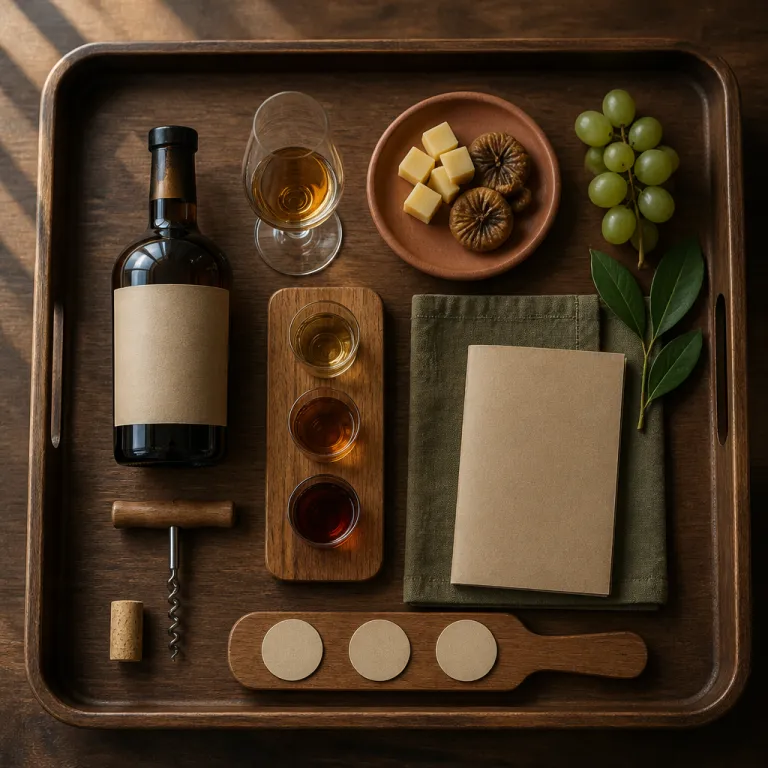
Why Madeira wines matter on a luxury hotel list
On Madeira, the wine list is part of the island itself. In a clifftop suite above Funchal or a quiet veiga franca style farmhouse near São Vicente, the best hotels treat Madeira wine as a signature amenity rather than an afterthought. When you open that leather bound list, you are not just buying Madeira for the room charge, you are stepping into centuries of making Madeira in ocean facing lodges and years cask aging cellars.
Think of this as your Madeira wine list ordering guide for serious but relaxed enjoyment. The same guide works whether you are skimming a short by the glass page or a deep cellar selection of Madeira wines arranged by grape variety, style and producer. Used well, this ultimate guide mindset turns a confusing page of unfamiliar grapes into a curated tasting menu that quietly upgrades your stay.
Luxury hotel sommeliers on the island know that many guests arrive with only a vague sense that Madeira is a sweet after dinner drink. They also know that the reality of wines Madeira producers craft today is far broader, with dry, medium dry, medium sweet and fully sweet wines that can run through an entire meal. Your goal is not to become an expert overnight, but to speak the same simple language of grape varieties, sweetness levels and age that hotel teams use every service.
The four noble grapes and how to read them against the menu
Most premium Madeira wines on hotel lists are organised by the four so called noble grapes. When you see sercial, verdelho, boal or bual and malmsey listed in a neat column, you are really seeing a spectrum from dry to sweet that can map directly onto your dinner. Treat this as a visual guide where sercial sits at the crisp aperitif end and malmsey anchors the lush dessert pairing.
Sercial is the island’s high toned, seaside style, usually labelled dry or sometimes dry medium on more detailed lists. Order a glass of a good producer such as Blandy Sercial or a similar style from Barbeito before dinner, and you will understand why sommeliers love pouring this with salted almonds or limpets. In the same way that a regional Champagne sharpens the appetite, a chilled sercial from a respected house like Blandy or Barbeito sets the tone for serious dining without feeling heavy.
Verdelho usually appears as medium dry, and it is the flexible workhorse for hotel food pairings. Ask for a glass of Blandy Verdelho or another verdelho from a producer such as Barbeito with grilled limpets, tuna steak or even a poncha inspired ceviche on a tasting menu. When you move into medium sweet territory, boal or bual steps in for foie gras, aged São Jorge cheese or richer pork dishes, while malmsey, sometimes blended with tinta negra or even rare terrantez, shines with chocolate desserts or a late night cigar on the terrace after walking one of the gastronomic routes in Funchal.
Age statements, producers and what you are really paying for
Once you are comfortable with the grape names, the next line on a Madeira wine list is usually the age statement. In luxury hotels, three year and five year wines Madeira labels are often poured by the glass, while ten year and older bottles sit in the premium section with pricing that reflects long years cask aging. Think of three year and five year Madeira wines as approachable, fruit forward introductions, and ten year or older as more complex, nutty and layered expressions.
On a serious list you may see colheita and vintage Madeira, sometimes from houses such as Blandy, Barbeito, Borges Madeira or Henriques Malvasia. Colheita indicates a single harvest aged for a shorter period, while vintage Madeira is a long game, with decades in cask before bottling and then further bottle aging in the hotel cellar. When you see a high price next to a vintage sercial or a rare terrantez, you are paying for both the scarcity of the grape varieties and the long, careful making Madeira process that ties up capital and space for many years.
Producer names matter as much as age, especially when you are buying Madeira in a hotel context where markups can be steep. Classic houses such as Blandy, Barbeito, Borges and Henriques & Henriques have consistent styles, from the taut profile of a dry Blandy Sercial to the richer curve of a medium sweet Borges Madeira malvasia. If you are unsure, tell the sommelier you are choosing between a ten year medium dry verdelho and a fifteen year medium sweet bual, and ask which producer on the list shows best right now based on how long the bottle has been open and how guests have responded.
Serving, tasting flights and how to talk to your hotel sommelier
Madeira wine behaves differently in the glass from still table wine, and good hotels lean into that difference. Because Madeira wines are fortified and oxidatively aged, they are more stable once opened, which allows sommeliers to offer tasting flights and rare by the glass pours without worrying about spoilage. You will often see a Madeira wine list ordering guide printed as a small card on the bar, explaining serving temperatures and suggested flights by grape variety.
Expect drier styles such as sercial and verdelho to be served lightly chilled, while medium sweet boal and fully sweet malmsey arrive closer to cool room temperature. In a serious program, the sommelier may pour a flight that moves from a dry medium style through medium dry and medium sweet to a final sweet glass, sometimes contrasting tinta negra based blends with noble grapes. Do not hesitate to ask for a custom flight built around a theme such as different grapes, different producers like Blandy versus Barbeito, or even a vertical of the same wine across several years cask aged expressions.
Hotel sommeliers on the island appreciate guests who show curiosity rather than fake expertise. A simple line such as “I would like an ultimate guide style tasting of three Madeira wines, maybe starting with a dry sercial and ending with a sweet malmsey, and I am comfortable in this price range” gives them room to curate. If you are extending a business trip and planning a serious dinner, consider booking a pre dinner tasting at the bar, especially in properties that also help with Michelin level restaurant reservations, because the sommelier can then align your Madeira choices with the chef’s menu.
Food pairing, hotel restaurants and using Madeira as a conversation piece
In the best hotel dining rooms on the island, Madeira wine is woven through the meal rather than parked at the end. Start with a dry sercial or a dry medium verdelho as an aperitif, then let the sommelier carry that thread into a seafood course, perhaps pairing a regional espada with banana or a grilled octopus dish. For meat, a medium dry or medium sweet bual can handle the char of espetada or the richness of slow cooked beef, while a sweet malmsey or a complex Henriques Malvasia works beautifully with chocolate fondant or caramelised tropical fruit.
Do not overlook more unusual grape varieties such as terrantez, negra mole or malvasia roxa when they appear on a serious list. These grapes are often produced in tiny quantities, sometimes blended with tinta negra or used for limited bottlings that hotel buyers secure specifically for their guests. When you see a glass of terrantez from Barbeito or a rare negra mole cuvée from Borges, this is where your Madeira wine list ordering guide becomes a passport to stories about old vineyards, steep terraces and the Atlantic wind that shapes the grapes.
Madeira wines also pair well with the island’s active lifestyle, from levada walks to water sports sessions that have helped place the island high in European rankings for aquatic activities, as explored in this analysis of Madeira’s water sports appeal. A chilled glass of verdelho on a hotel terrace after a canyoning day, or a late night malmsey in the bar while you review the next morning’s hiking route, turns the wine into part of your personal narrative. Use that moment to ask the sommelier where the grapes were grown, how many years cask aging the wine saw and whether the producer, perhaps Blandy, Barbeito, Borges or Veiga França, has other bottlings worth seeking out on your next visit.
Reading between the lines: pricing, markups and smart ordering strategies
Luxury and premium hotels on Madeira price their wine lists with the same logic you see in major city properties. Entry level three year and five year Madeira wines often carry a comfortable markup, while older ten year, fifteen year, colheita and vintage bottlings can look steep but sometimes represent better relative value. When you understand the years cask aging behind each category, you can decide whether to trade up a little for more complexity or stay with younger wines and explore more grape varieties.
As a rule of thumb, by the glass pours of sercial, verdelho, boal or bual and malmsey from established houses such as Blandy, Barbeito, Borges or Henriques & Henriques are a safe starting point. If you are buying Madeira by the bottle, look for mid tier age statements from strong producers, for example a ten year medium dry verdelho from Blandy or a ten year medium sweet boal from Borges Madeira, which often sit in a sweet spot of quality versus price. When you see a separate section for rarities such as terrantez, negra mole or malvasia roxa, treat it as a curated list for one or two special glasses rather than your entire evening’s consumption.
Smart ordering is less about chasing the most expensive Madeira wines and more about aligning style, occasion and budget. Tell the sommelier you are using this Madeira wine list ordering guide approach and that you want, for example, one dry or dry medium aperitif, one medium sweet pairing for cheese and one sweet digestif, all within a clear spend. That level of clarity, combined with a few key terms such as grape variety, producer name and preferred sweetness level, signals that you respect their expertise and are ready for a collaborative conversation rather than a guessing game.
FAQ
How do I quickly choose the right Madeira style from a long hotel list ?
Use the grape names as your compass, because they map to sweetness. Sercial is dry, verdelho is usually medium dry, boal or bual is medium sweet and malmsey is fully sweet. Once you decide whether you want a dry, medium dry, medium sweet or sweet style, ask the sommelier to recommend a producer and age level that fits your budget.
Is it worth paying extra for ten year or older Madeira wines in hotels ?
Ten year and older Madeira wines generally offer more complexity, with deeper nut, spice and dried fruit notes. In many luxury hotels, the price jump from five year to ten year represents good value compared with the long years cask aging required. If you enjoy layered, contemplative wines, trading up to ten year or a well chosen colheita can be a smart indulgence.
Can I drink Madeira wine throughout a meal, or only with dessert ?
Madeira wine can comfortably run from aperitif to digestif when you choose styles thoughtfully. A dry sercial or a dry medium verdelho works well before and with lighter courses, while a medium sweet boal or a sweet malmsey suits cheese and dessert. Many hotel sommeliers enjoy building Madeira flights that follow the structure of a tasting menu, so ask them to design a progression.
How should Madeira be served in a hotel restaurant for the best experience ?
Drier styles such as sercial and verdelho show best lightly chilled, while medium sweet and sweet styles like boal and malmsey are usually served a little warmer. Glassware can be either small white wine glasses or traditional tulip shaped fortified wine glasses, depending on the hotel’s program. If a pour feels too warm or too cold, politely ask the sommelier whether that is the house style or if they can adjust the serving temperature.
What should I say to a sommelier if I am new to Madeira wines ?
Be open about your experience level and clear about your preferences. A simple approach is to state your preferred sweetness level, your budget and whether you want a single glass, a flight or a bottle. Phrasing such as “I like medium dry to medium sweet wines and would enjoy trying a classic producer like Blandy or Barbeito” gives the sommelier enough direction to curate something memorable.